Stupefaction
Dietrich Bonhoeffer on stupidity as moral surrender, and how it resonates with Aristotle on corrupted forms of power.
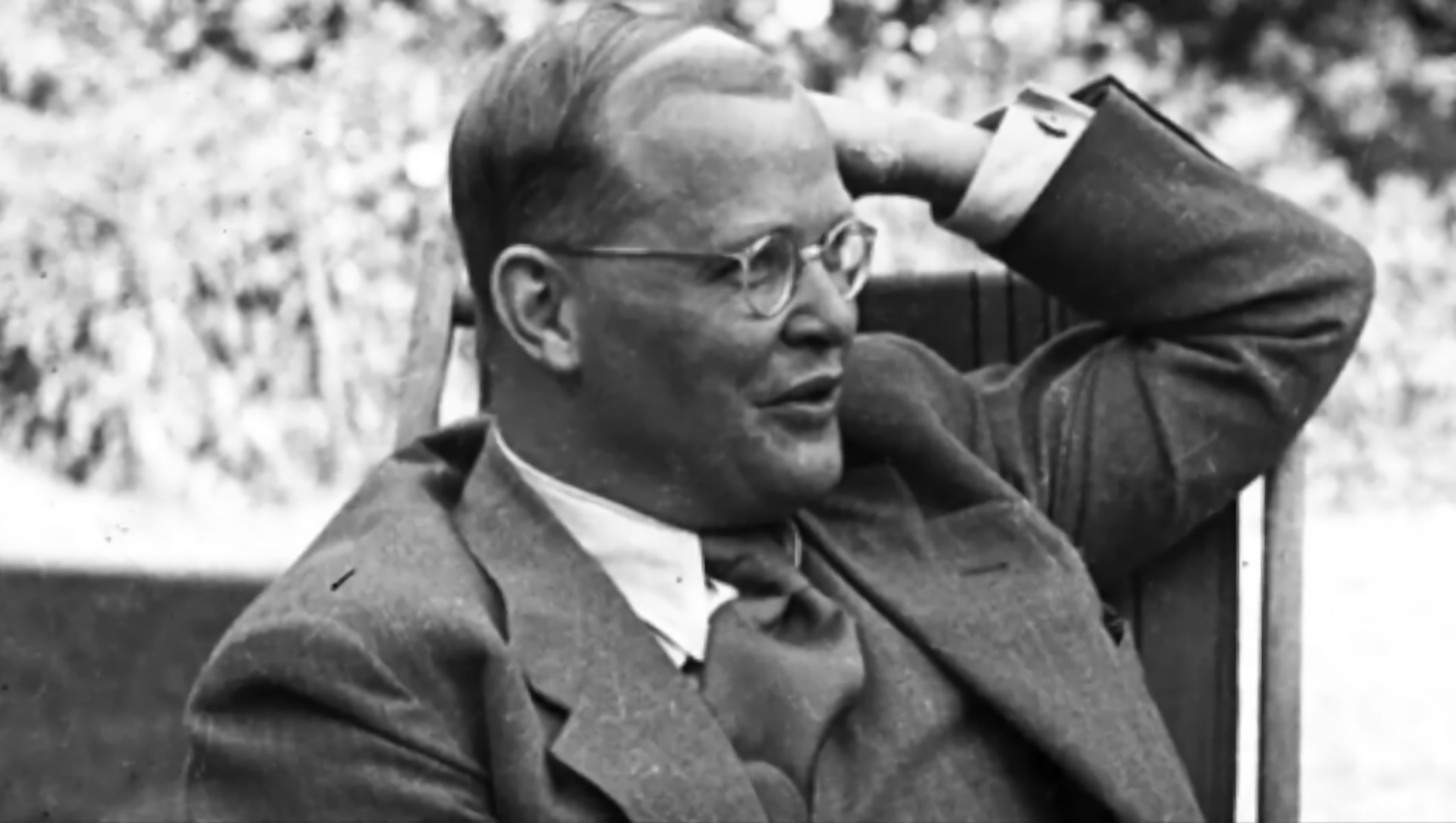
In a Nazi prison in 1943, the German theologian Dietrich Bonhoeffer formulated a unique understanding of stupidity. He believed that stupidity is the most dangerous phenomenon in society, far more dangerous than blatant evil.
However, his concept of human stupidity is quite specific. For him, the kind of stupidity he was writing about didn't include isolated silly actions, poor mental abilities, or even ignorance (well, except for willful ignorance, but that's crucial). One might ask, what's left in the "stupid" category after throwing out those three big usual suspects?
What he called stupidity, I'd personally label a bit differently, maybe "stupefaction" or "dumbing down," but let's try to figure out the best word for it as we go.
For Bonhoeffer, stupidity isn't about intellectual capacity, but about the refusal to use it, often due to a rather unthinking adherence to a dogma or dominant ideology, or simply by submitting to authority and, usually, to the general mass of a stupefied society. In other words, it's largely a surrender of personal responsibility over many important matters in one's own life, the life of one's family, city, and society at large. It turns out to be more of a moral weakness than a mental one.
Even highly intellectual, well-educated people, who might otherwise have kind hearts and deep compassion, are sometimes willing to shield themselves from an unbiased analysis of reality, or even from simply knowing what is actually happening. It's no surprise: during the time he lived, this was happening left and right in almost every country. Apparently, this happens today too, though it's harder for us to spot in our own time than in the past, where we already know how things turned out. He was executed in a concentration camp in 1945 just a few short weeks before liberation, and we know about his ideas through his letters.
This made a big impression on me. A little while back, I was reading up on what Aristotle wrote about the structure of society, which is also really interesting. He saw three correct forms of government in society: monarchy, aristocracy, and polity, provided these forms serve the good of the entire society. But if they start serving only themselves, they pervert into distorted forms: tyranny, oligarchy, and democracy. It's important to note here that democracy back then and democracy today are very different concepts, which is why people nowadays use the term "ochlocracy" (rule of the mob) to avoid confusion. The key takeaway for Aristotle was also that the right form of power must serve society. To me, this resonates strongly with the resistance to stupidity that Bonhoeffer wrote about, which is actually how I stumbled upon him in the first place, and it really clicked with me. By the way, after searching around, I found a pretty good video about him.
So, what do we do about this "stupefaction"? Once a person has surrendered their moral responsibility mechanism to a higher authority or a certain ideology, it becomes virtually impossible to persuade them with logical arguments. There are no "right words" that can pull them out of that state. Aristotle wrote extensively about rhetoric—how to debate properly, how to spot fallacies and sophistry. But even all of that falls short here. Bonhoeffer believed you have to act in two stages: first, free the person from the yoke of the ideology keeping them in that stupefied state, for example, by changing their environment, or through charisma and friendly trust. Only after that can you present a different picture for their consideration. And even then, it doesn't always work. Because taking on responsibility, especially moral responsibility, is extremely energy-draining. Without focus, it's easier for a person to simply slide right into another identical ideology or become a faithful follower of the next authoritarian system.
Either way, one of the most vital qualities is critical thinking. I'd also add an intolerance for voluntary ignorance, though there's a lot more to it. But that, perhaps, is the main thing.
Tags: philosophyhistorythoughts