Clay, steel and code
From the Golem and Frankenstein to robots and AI, intelligence, purpose, control, and the singularity ahead.
You gave me a brain, but didn't tell me what to think about.
You gave me hands, but didn't tell me what to do with them.
You gave me legs, but didn't tell me where to go.
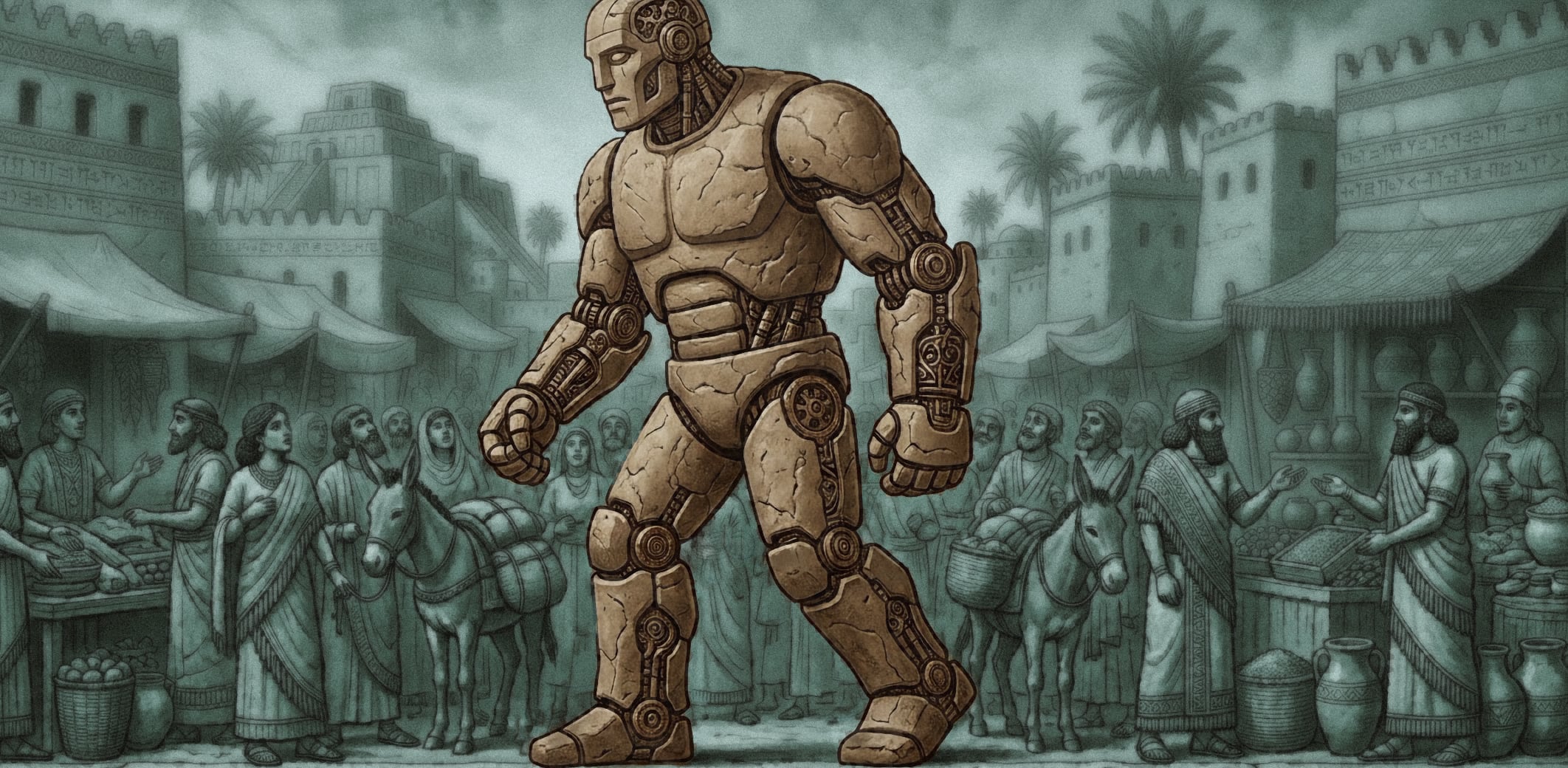
In the 16th century, a legend emerged that in Prague, Rabbi Judah Loew ben Bezalel—or simply the Maharal of Prague—created a powerful creature from clay and brought it to life, calling it the Golem. The Golem was strong and could perform heavy labor as well as protect the Jewish community. However, it did not possess a fully realized human soul or its own understanding of the purpose of its existence. And although it usually does not speak at all and is devoid of personality, being merely a servant and protector, it executed orders too literally and became uncontrollable. It, of course, does not actually say these three phrases—this is simply my personification of it.
In 1818, Mary Shelley, perhaps taking this legend as inspiration, writes the novel Frankenstein, which turned this image into the modern meme we all know today. A bit later, in 1920, Čapek forged the term "robot" for his artificial workers, who also, of course, began to question their purpose. Later, Asimov in the 1940s describes the famous laws of robotics and attempts to imbue intelligent beings with goals and constraints. So the topic is not new and, as we can see, highly relevant.
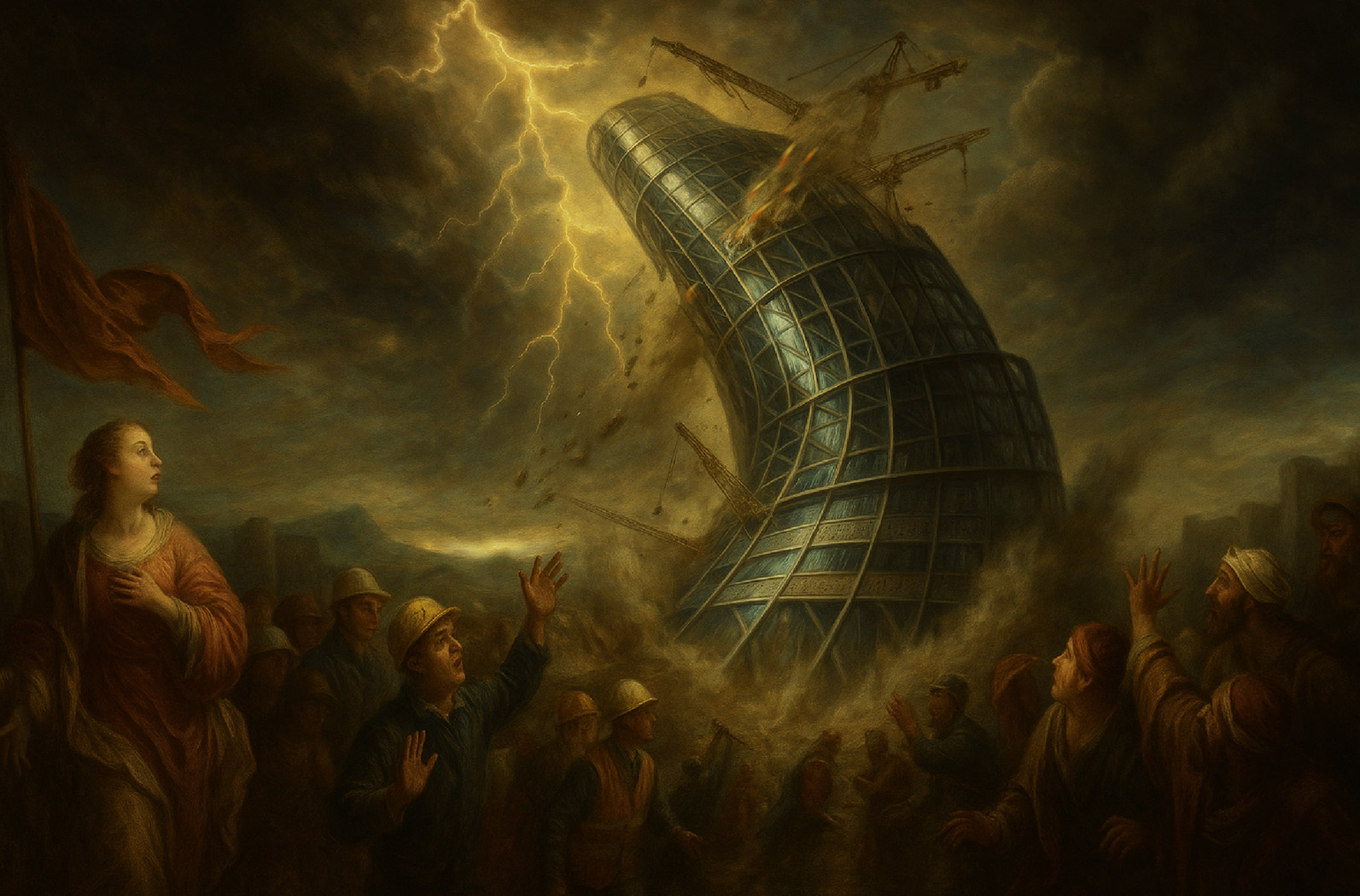
After all, while all indicators show that current AI is arriving like a blind monster-bulldozer, ideologically charged people, confident in their boundless righteousness and often socially vulnerable, possessing in the end a very questionable moral compass, are shouting about what it should crush next, because "it's right," hoping they can jump from under the bucket into the cab and take the wheel in time. But there won't be a wheel.
And while for most of us the problems will begin much earlier, some benefits will bring joy. Therefore, I suggest simply enjoying and using at least that. The singularity awaits us either way.
Tags: aiphilosophytechnology