About the World

Posted on 2014-03-14 by Dmitri Zdorov

Dimka's Apple Watch with complications

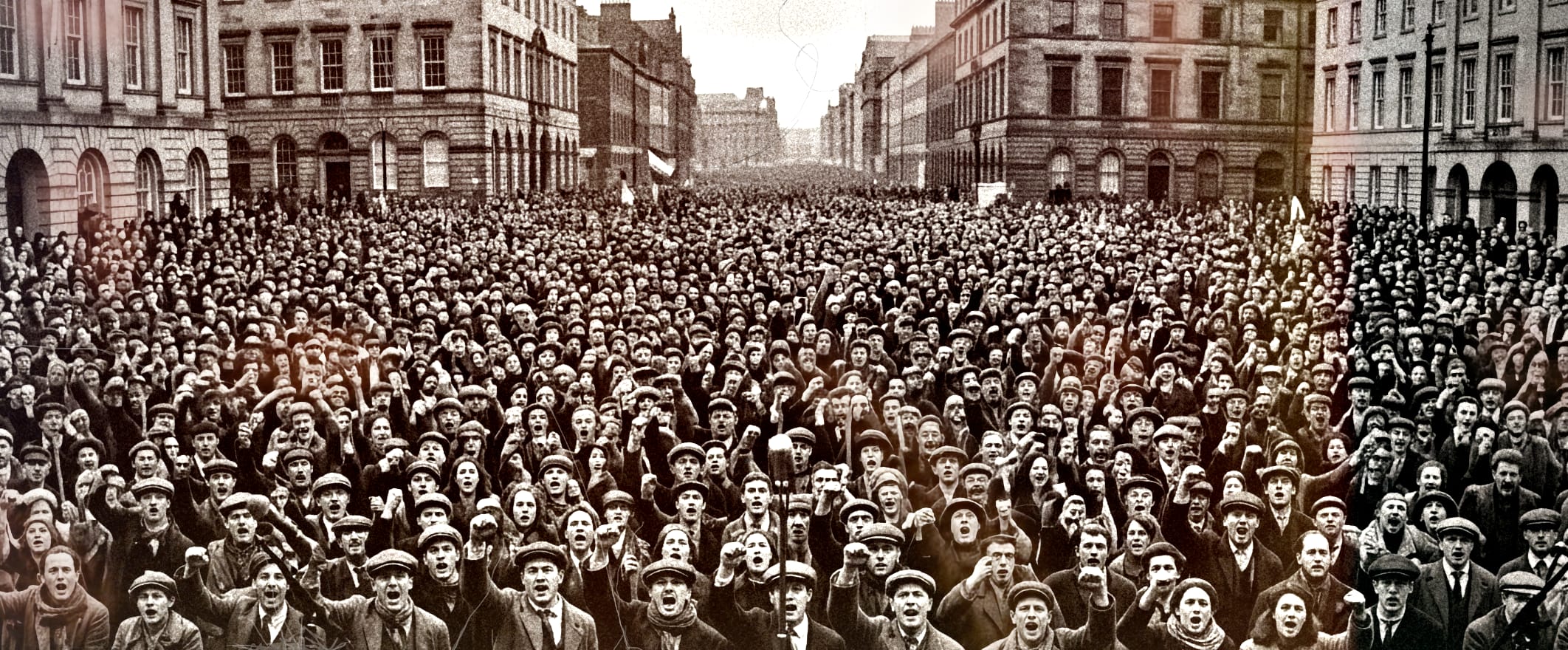
The world is cruel and unjust. But amidst these global injustices, there's a clear trend—the world is getting better. For example, the percentage of people dying in conflicts is steadily decreasing, and quite noticeably so. There are numerous other indicators clearly showing progress.

Currently, the world is fairly singlepolar. This means, even though there are different camps, there is essentially one major camp far bigger than the rest, with a clear leader—let's call it the moral leader. Whether this is good or bad, or whether a multipolar world would be preferable, we'll discuss later. Due to historical developments, the USA has become this moral leader.

Being a moral leader doesn’t mean the country behaves morally, justly, or better in any way. It simply means they've staked a claim to moral righteousness and provided various justifications supporting this. These claims can certainly be contested, but as long as they originate from the leader, they rarely face serious opposition.

Moreover, history shows us that previous leaders were often the worst examples—hypocritical and ruthless, abusing their exceptional status freely. This is precisely what's happening now. The USA is currently the most active aggressor globally: initiating wars, applying economic pressure, funding and inciting coups and protests, and conveniently ignoring blatant violations of international norms whenever beneficial.

Yet, since every previous moral leader committed similar transgressions, a logical question arises—is this unavoidable? Is this just how the world works—the king of the hill can do anything, while others are limited to what the leader permits? Maybe future generations will challenge this, but historically, we lack convincing counterexamples.

But it used to be worse. The USA is terrible as a king of the hill, but who would be better? And how do we even determine who could be a better leader? Two criteria come into play: first, whether a country can realistically become a global leader—very few can—and second, if capable, how it might behave as a leader. This can be gauged by its current domestic behavior and how it treats those fully under its control.

For instance, how Nazi Germany would've behaved with global dominance is clear, based on its actions within Germany and later in occupied countries, like Belarus. Do you think China, if it became the global leader today, would behave better? Issues of legality, human rights, and corruption immediately come up in such hypotheticals. Though imperfect everywhere, differences remain enormous.

The USA commits many dreadful actions internationally but also does many good things. However, leaders are naturally judged by their wrongdoings. They claim they're the beacon of light, a model for others. Other countries don’t presume to teach others how to live, don’t act as global police, nor claim they're bastions of good and democracy.

It's tempting for others to say, "If our moral leader can behave this boldly, why can't we, who don't claim moral leadership, do the same?" Ordinary people and even some politicians express this sentiment. But the reality is, the leader can do anything—or almost anything. Almost anything because the leader still relies on camp support. If the leader oppresses this camp too harshly, everyone will unite against them, ending their dominance.

However, this rebellion won’t happen spontaneously. First, a new leader or coalition must emerge and gradually gain universal support, eventually ousting the overly arrogant leader. This line is thin, yet the USA hasn’t crossed it so far. Any non-leader who attempts similarly bold moves is judged harshly by their actions, not their words, and swiftly reprimanded. Politics is murky; so much happens simultaneously that leaders always find justification for their actions while condemning identical moves by others.

Sometimes, the world can become multipolar, but this doesn't happen casually in global politics. Different ideologies are necessary for new poles to emerge. If two temporarily existing poles have similar ideologies, eventually one loses support, leaving only one dominant pole. When the USSR existed, two distinct ideologies coexisted—capitalism, or so-called free market supremacy of money and the wealthy, and socialism, with its supposed people's economy and imaginary equality, yet with hopes of a decent minimum for the poor. These ideologies were very different, enough to allow two poles despite economic inequality.

At one point, three poles emerged, adding countries whose ideology centered on national superiority above money and power of the wealthy or the poor’s hope for dignity. Germany, Japan, Italy, and their allies formed a third pole. Their camp was also self-sufficient, notably starting when Hitler tackled inflation by making Germany economically autonomous. When war approached, these three camps became economically isolated. They eventually failed, but that's a topic for another post.

Now, back to today. Putin wants to position Russia as a new second pole, creating another camp and becoming its leader. This doesn't work for several reasons. First, Russia's economy isn't self-sufficient, even considering the broadest customs union imaginable, or even merging with China. Also, Russia lacks a distinct ideology. The current setup is the typical notion that money rules, wealth determines opportunities and hierarchy. What new ideological contribution could Russia offer? Would justice increase if Putin’s Russia led globally? Everyone sees how justly Putin governs internally now. His entire power structure relies on mass corruption, controlled by wealthy officials robbing the country systematically. Each corrupt individual has extensive records that can quickly lead to severe punishment. They keep stealing while permitted, supporting this system. Those well-positioned nearby rarely object, especially if conservative-minded, preferring the status quo.

Other countries observe this clearly and do not desire such a camp leader. Actually, there's no real camp, only a few ideological friends who are difficult to manage.

Interestingly, Russia has the potential to become a global leader. It would require a robust economy, political stability, and many happy citizens. Its territory is vast, population still sizable. But corruption—or mass theft—hinders national development. The primary tragedy of Russian corruption isn't theft itself, kickbacks, or bribery, nor the appropriation of natural resource wealth by a handful instead of the people. The main tragedy is that stolen wealth doesn't circulate domestically but drains abroad, invested in foreign banks, overpriced real estate, yachts, and football clubs. Most of this wealth is dead weight; the West extracts Russia's resources, pays digital and paper currency, which then returns abroad. Luxury goods are made abroad, priced extravagantly, paid for with stolen wealth, ultimately benefiting Western economies.

If Russia faces isolation—unlikely, but possible—the country will suffer significantly. Likely, it’ll just be shaken harder, drained even more. Currently, Russia massively exports resources, receiving minimal returns.

Indeed, I deeply wish for fewer wars. Since childhood, despite being fed many false values, fear of war and the value of peace felt genuinely right. It’s terrifying watching people arrested for advocating peace. Wars devastate everyone involved—Germany, USSR, Vietnam, USA, Iraq, Kuwait, Chechnya, and Russia alike.

The world is complex. I don't claim absolute truth—just wanted to share my thoughts given current events

Inflation of Useful Space Usage in Google Search Results

Posted on 2012-06-06 by Dmitri Zdorov

Inflation of useful space usage in Google search results

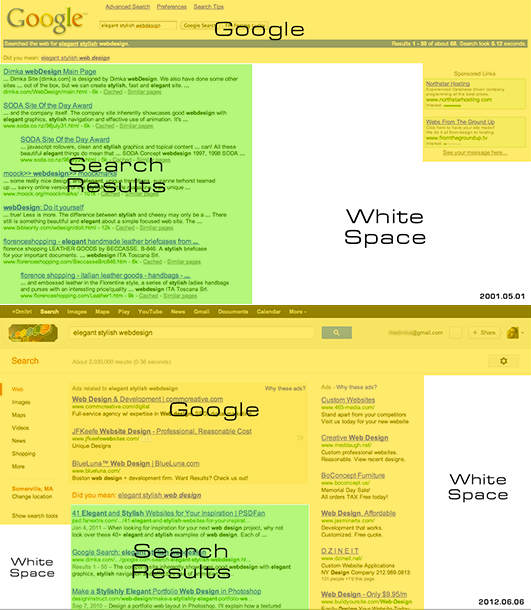
Yesterday John Gruber at Daring Fireball pointed to davidmihm.com/blog/google/world, where David shows that the typical search results page at Google is predominantly using space for Google itself and only a tiny bit to show actual results. On the one hand, it's understandable, it's their duty to make money, and they got greedy, and we have little choice, so they force us to look at their ads. And make no mistake, google own navigation and buttons and links are all ads, ads of themselves. On the other hand, they want you to stay in their not-so-little world. And we know that too much advertising does not work well. They know it because it was part of their "don't be evil" strategy years ago, not anymore. Showing more ads is not nearly as evil as allowing paid inclusions, and they do that now too. These are just steps on their walk from people's "not evil" darling to yet another giant evil greedy corporate monster. They know it, but they want the money more than sticking to their moral principles.

One day many years ago, I got lucky with Google. I opened a browser, searched for "elegant and stylish webdesign," and my site was at the top, so I saved the page. So take a look at the difference.

Hugs of art

Posted on 2011-02-14 by Dmitri Zdorov

True hug
True hug

Sleep after strugle
Sleep after strugle

Big Big City
Big Big City

Why Cost?
Why Cost?

Gone

Posted on 2010-12-16 by Dmitri Zdorov

Gone
Gone

also posted to my flickr, hiero, kroogi and livejournal

Manufactured Landscapes

Posted on 2007-11-16 by Dmitri Zdorov

Manufactured Landscapes

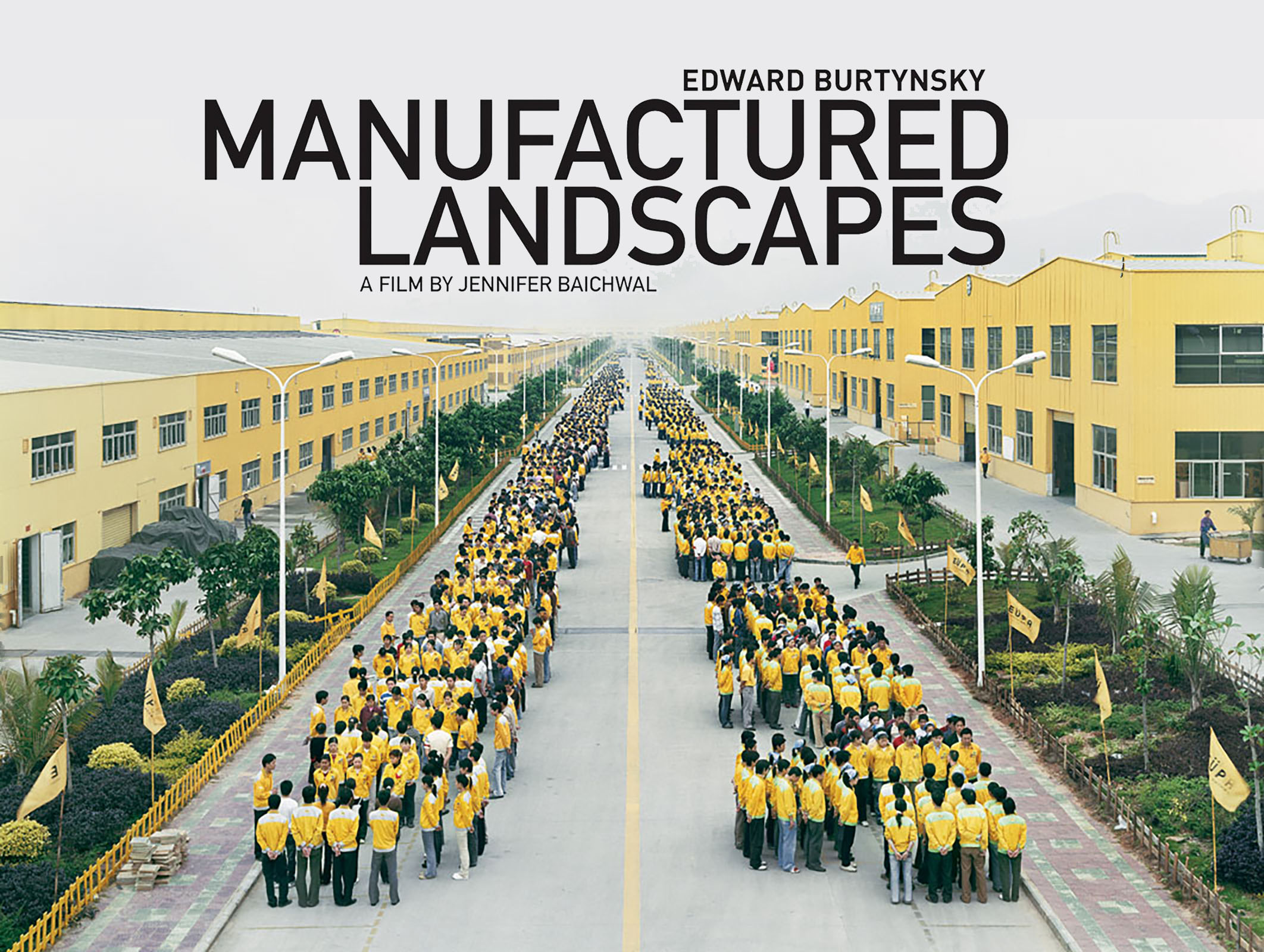
Manufactured Landscapes is a documentary directed by Jennifer Baichwal about how Edward Burtynsky creates his photographs (2006).

The film is stunning—visually beautiful and non-judgmental. The subject matter is very serious, but the filmmakers don't push an agenda. They simply show the world as it is, giving you plenty to think about. Our world is developing rapidly: population and consumption are growing, and globalization has become an inseparable part of life, reaching even the most remote corners. We're not really ready to give up the benefits of progress, but it's important to see what other consequences come with it. And this isn't about global warming—it's about the sheer scale.

The photos in the film were taken in different countries, but mostly in China.

Manufactured Landscapes

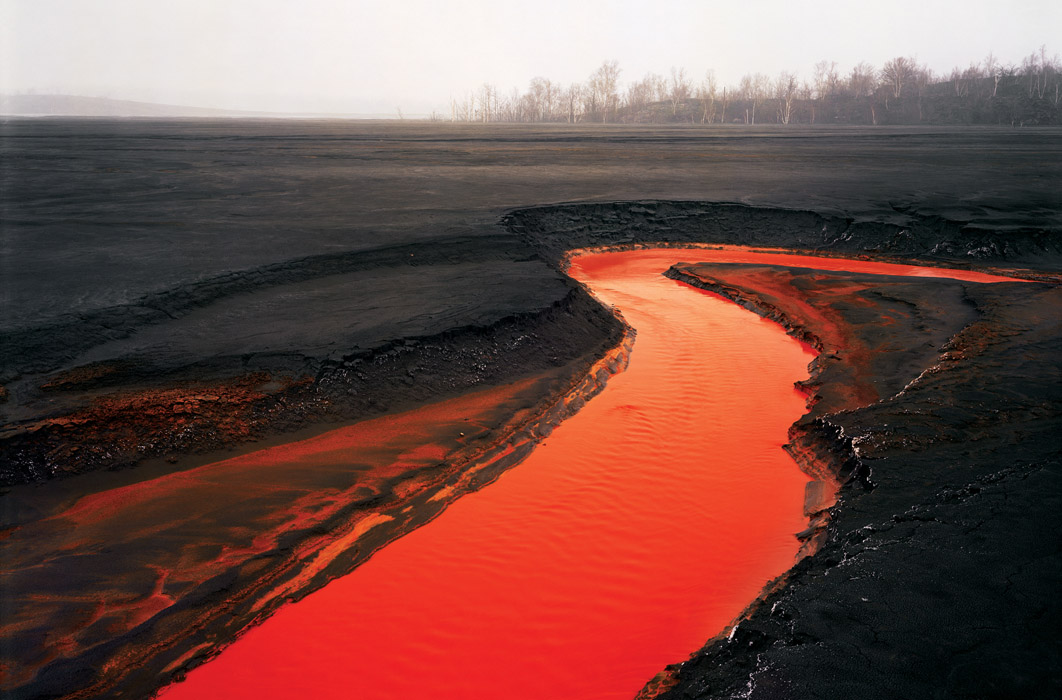
In the United States, the film shows landscapes left behind after industrial mining.

Manufactured Landscapes

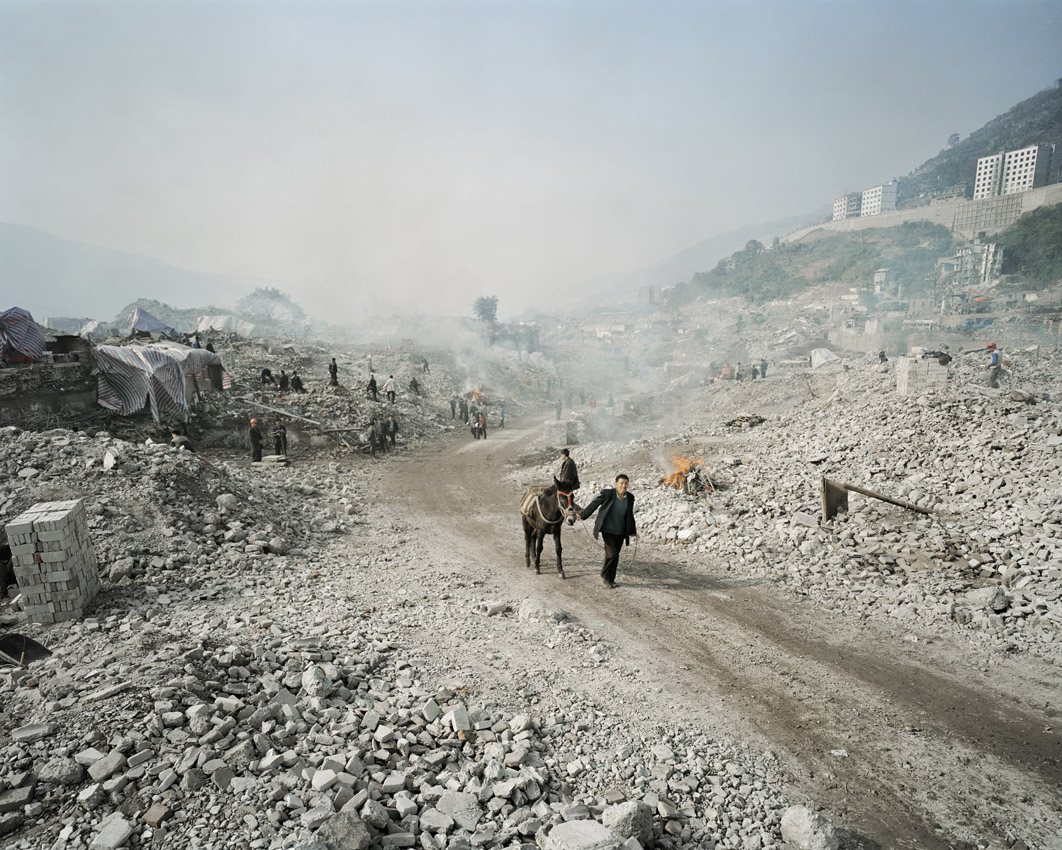
In China, they're building the world's largest dam, which will flood entire cities. Residents have to dismantle their own homes brick by brick.

Manufactured Landscapes

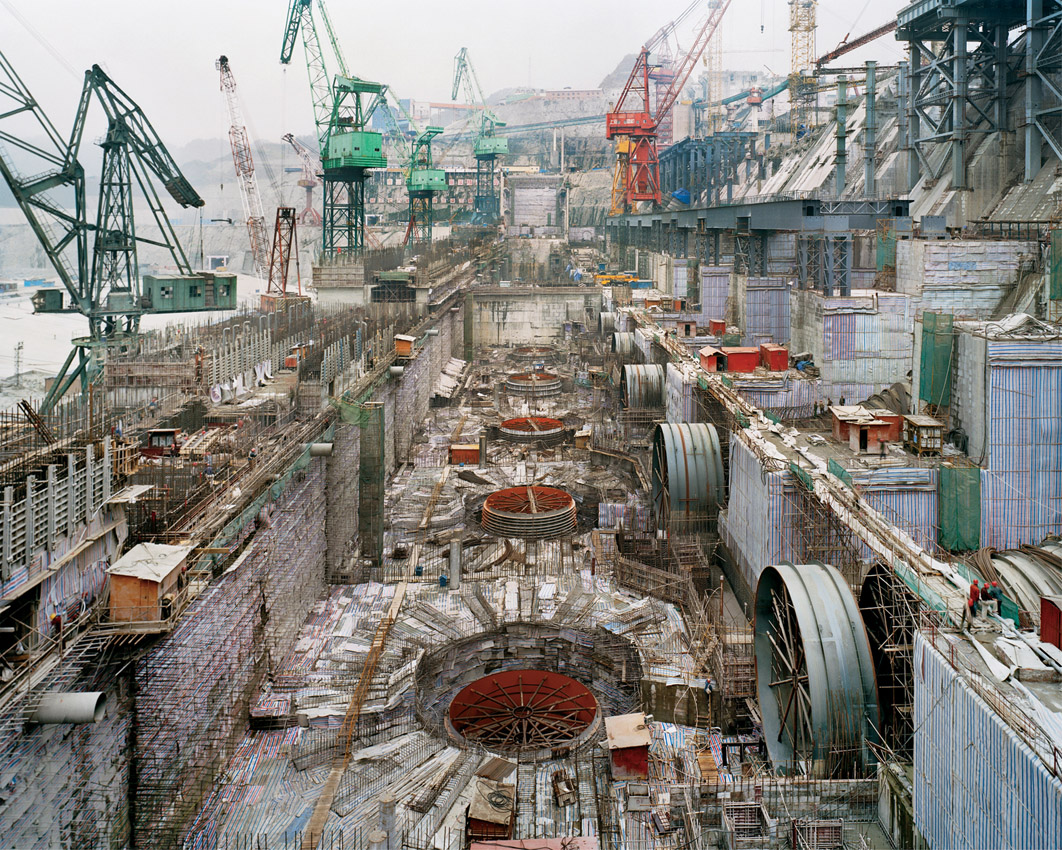
The dam is still under construction; in a few years, it will be complete.

Manufactured Landscapes

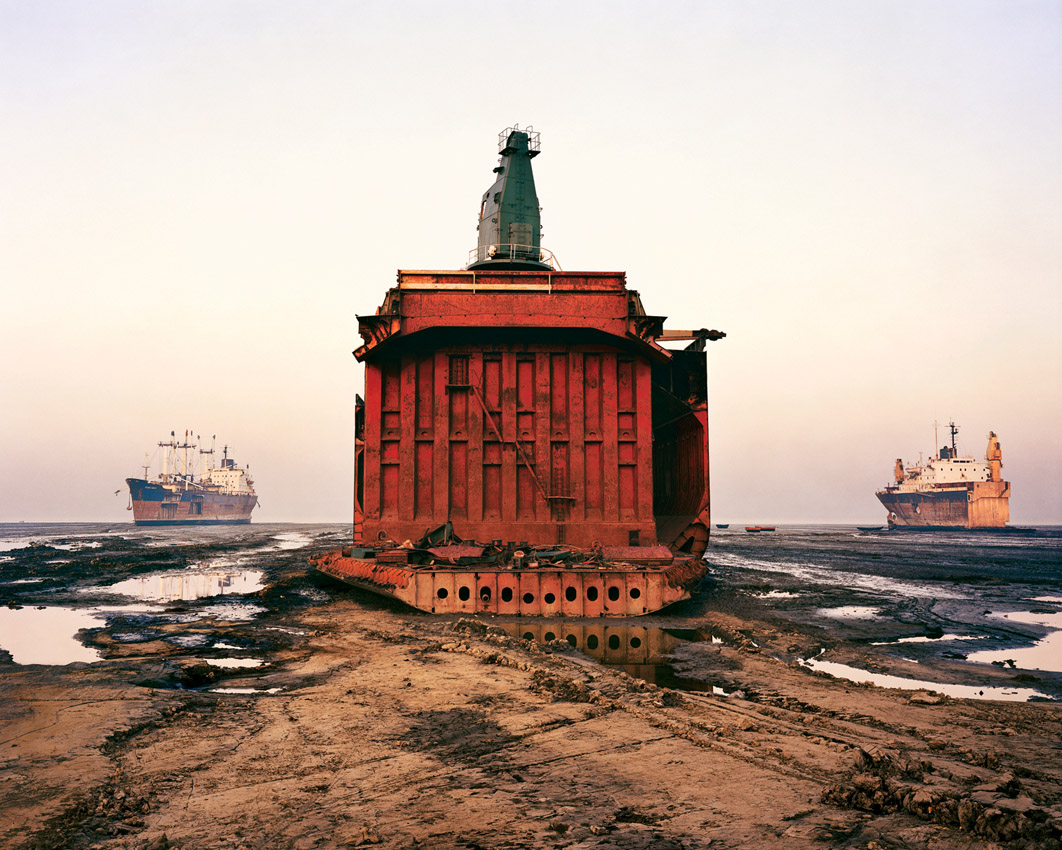
In Bangladesh, ships are brought here to die, and are dismantled for scrap by hand. It's dangerous work—few workers live past 30.

Manufactured Landscapes

Despite having many nuclear power plants, most of China's electricity still comes from burning coal.

Manufactured Landscapes

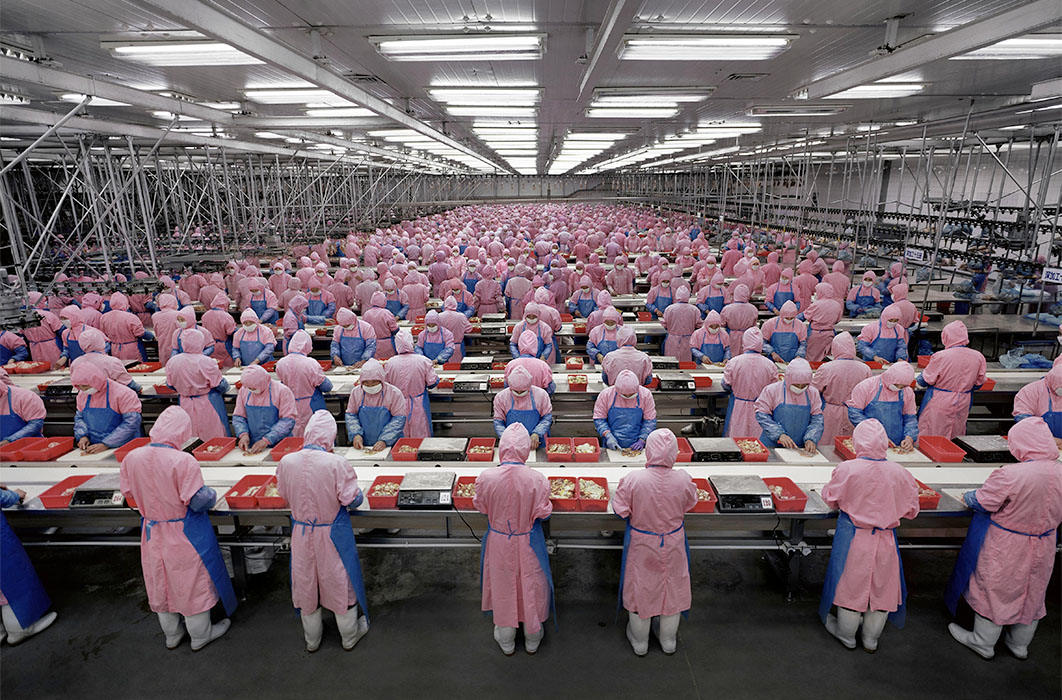
Chicken processing.

Manufactured Landscapes

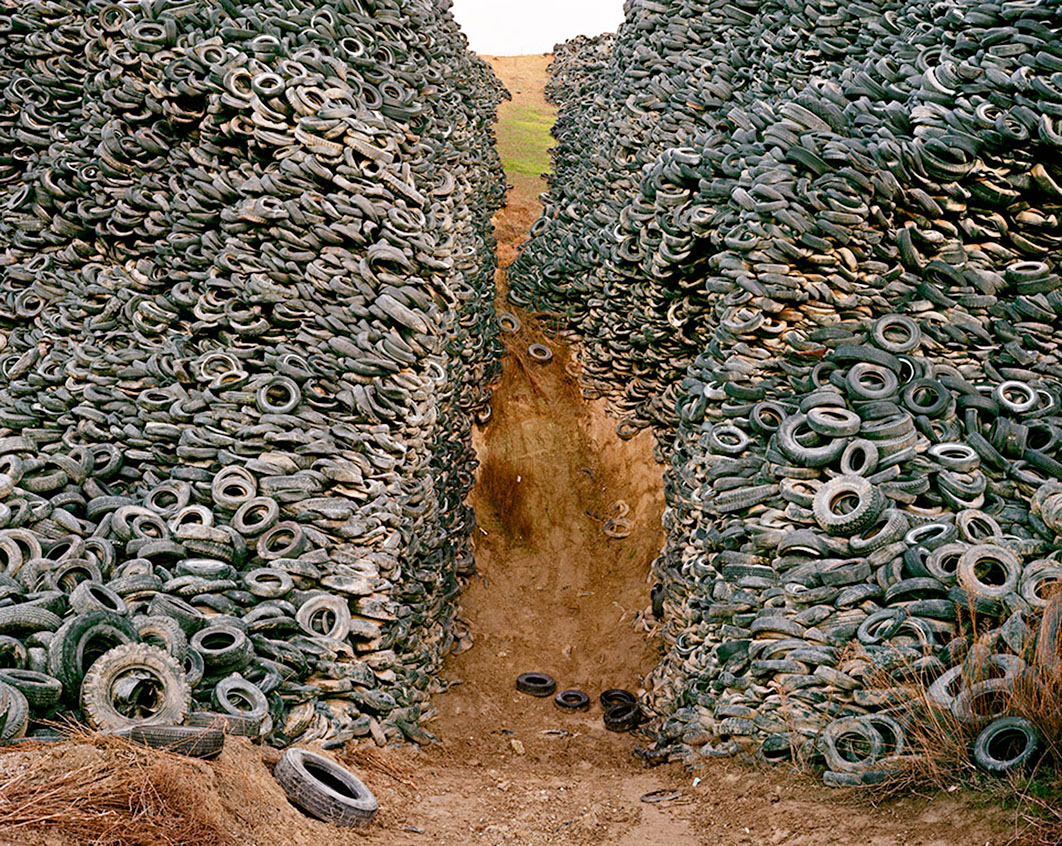
Old computers, scrap metal, tires, and other junk are sent from all over the world to China for recycling, where it's all taken apart by hand using chemicals.

Manufactured Landscapes

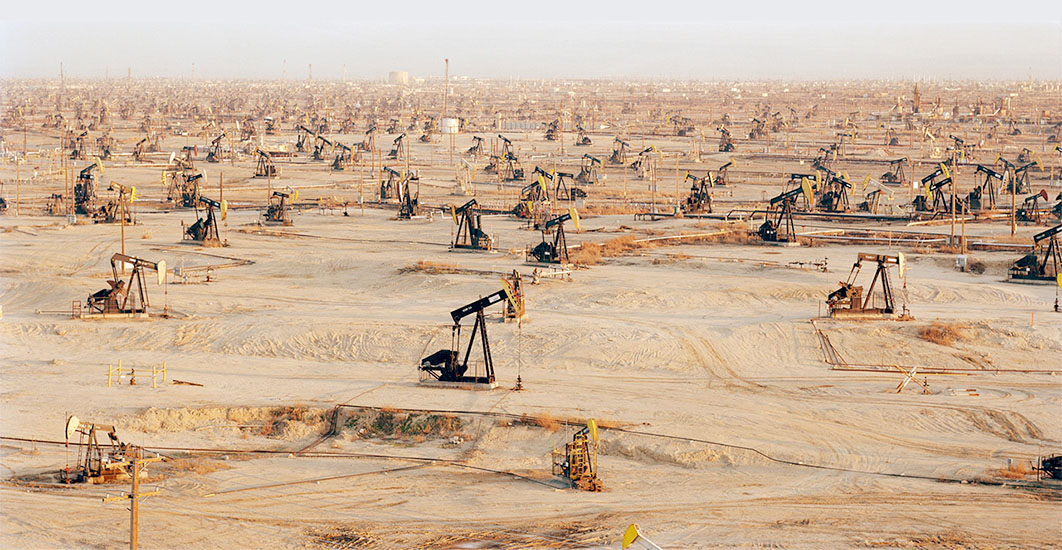
United State, oil fields.

Photos by Edward Burtynsky — edwardburtynsky.com

Highly recommended—the film is visually stunning. I think it's available on Netflix.

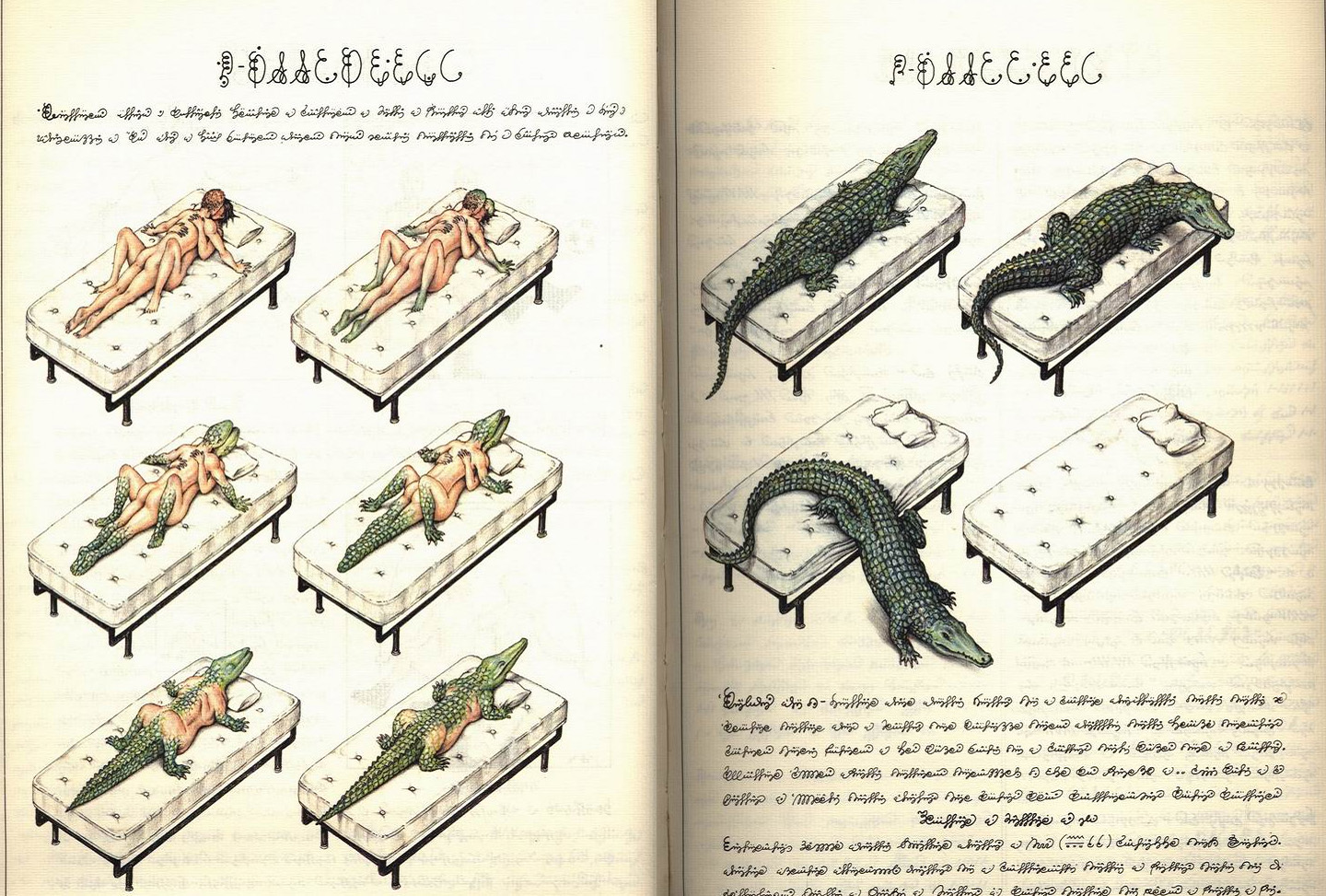
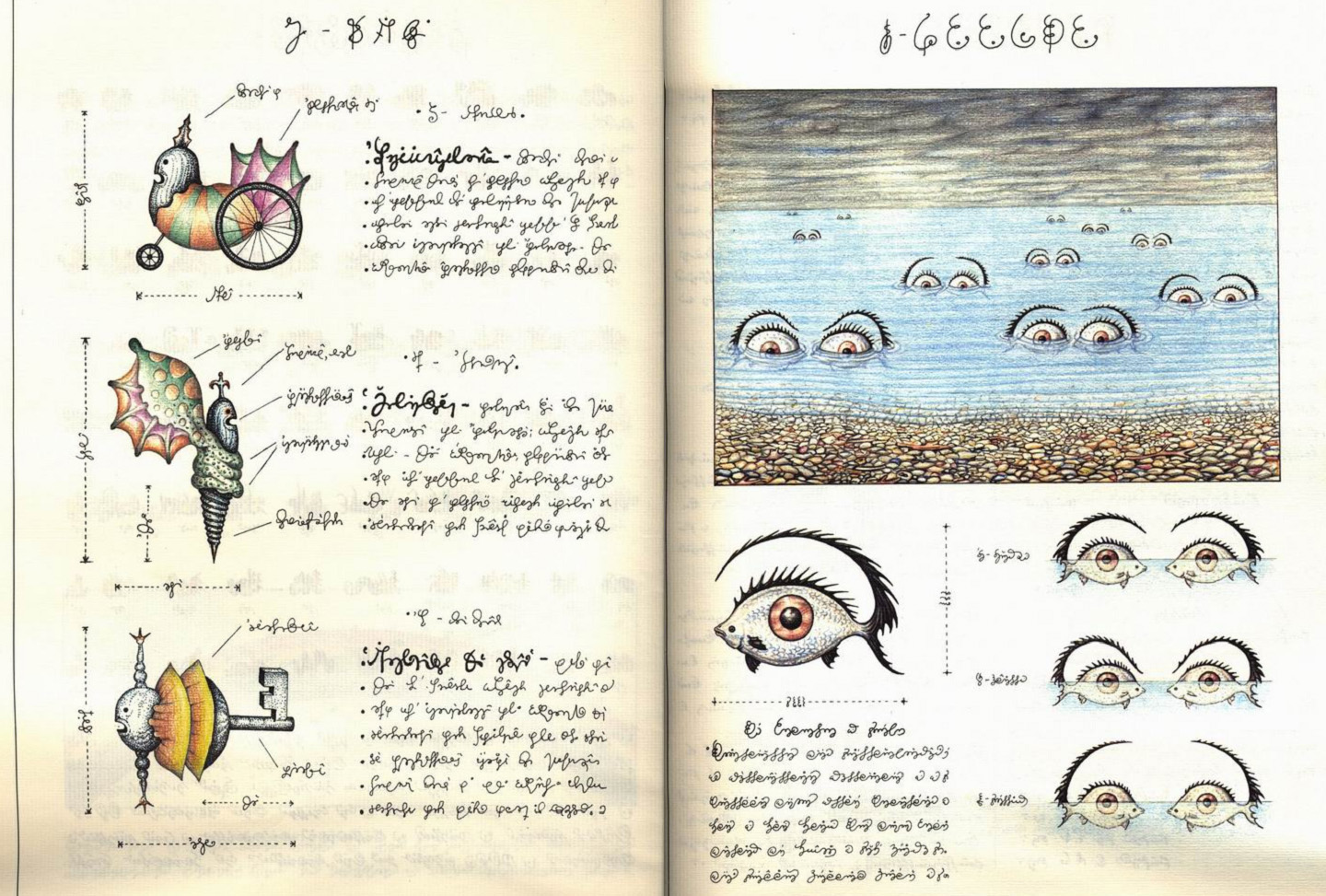
Codex Seraphinianus

Posted on 2007-10-04 by Dmitri Zdorov

One of the most mysterious, imaginative and unconventional books of the XX century

Codex Seraphinianus

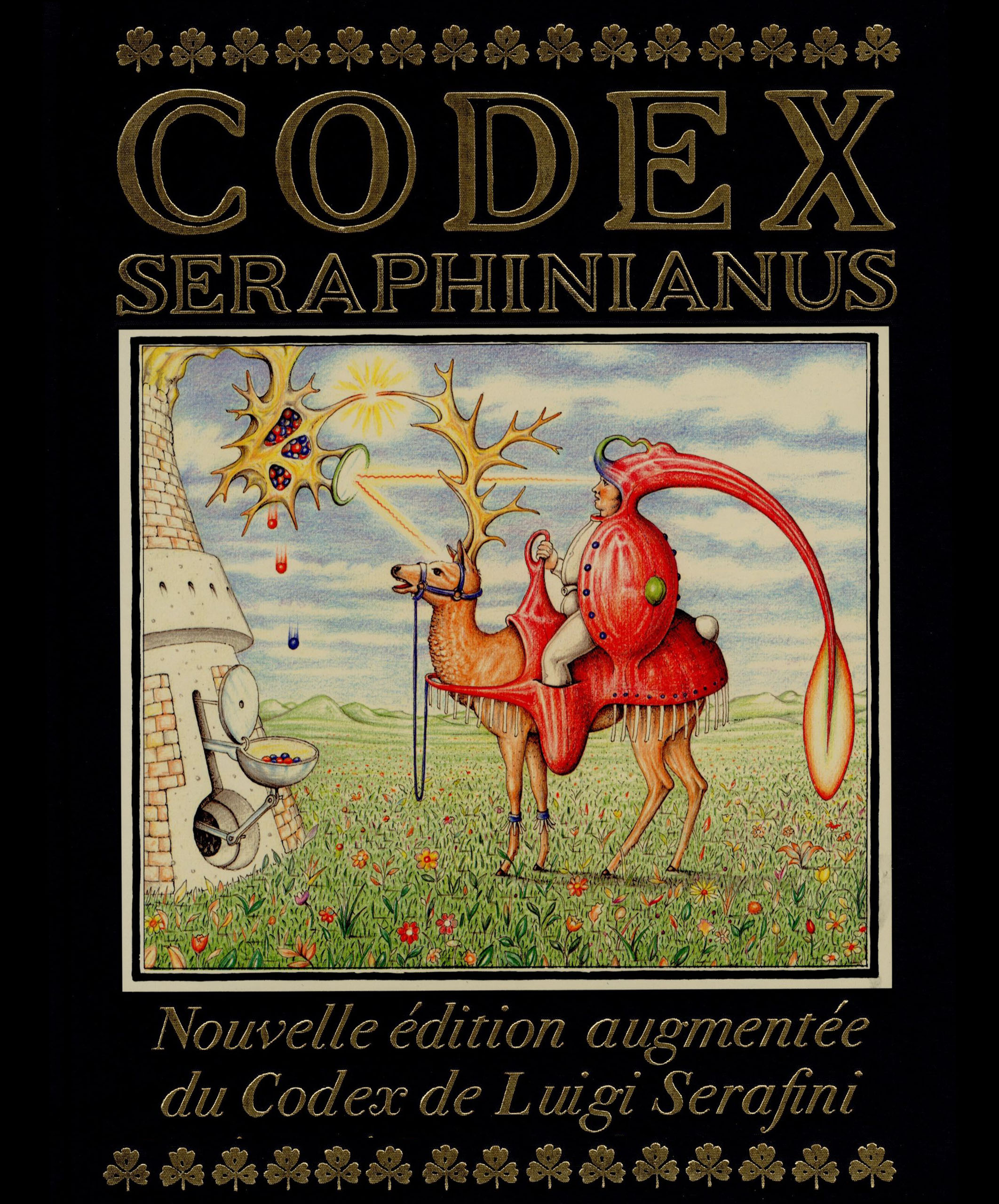
In the late 70s Italian architect, illustrator and industrial designer Luigi Serafini made a book, an encyclopedia of unknown, parallel world. It's about 360-380 pages. It is written in an unknown language, using an unknown alphabet. It took him 30 month to complete that masterpiece that many might call "the strangest book on Earth". Codex Seraphinianus is divided to 11 chapters and two parts - first one is about nature and the second one is about people.

BTW five hundred years ago there was another book somewhat like that - Voynich Manuscript.

Take a look at some pages (click on image to see a bigger version)

Update: related links

Update 2:

I ordered the book and it arrived. It is gigantic in size, thick and large. Print, paper and binding quality is superb. They also insert a booklet - Decodex, but it is in Italian and I have not mastered that one yet.

Update 3:

Amazon sell it again: https://amzn.to/4pwiGqs

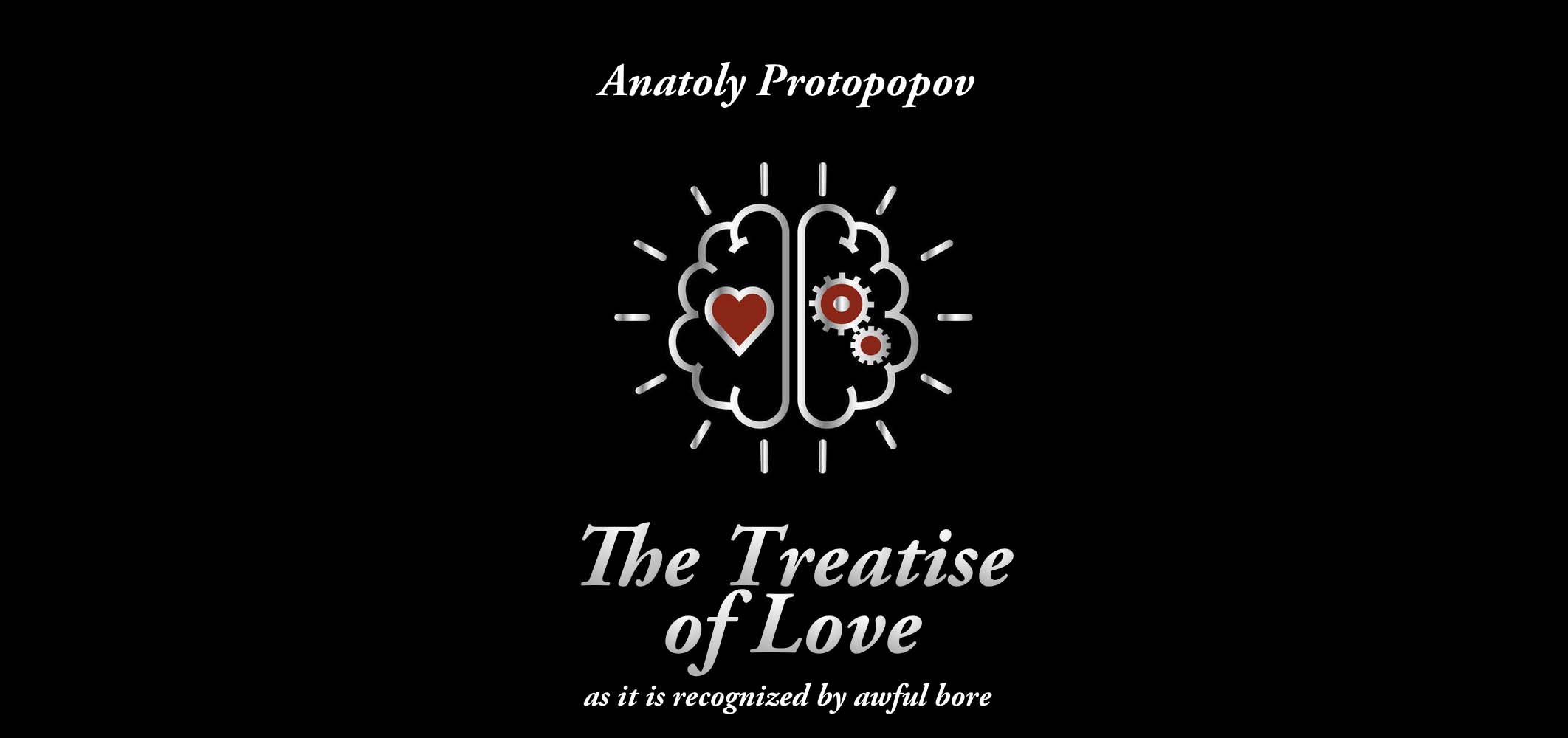
The Treatise of Love

Posted on 2006-09-22 by Dmitri Zdorov

The Treatise of Love

I recently revisited Treatise of Love (Трактат о любви) by Anatoly Protopopov — a concise yet surprisingly expansive book that explores the biological and psychological underpinnings of love, attraction, and relationships. What makes it stand out is how it blends evolutionary psychology with practical insight, speaking to both men and women, singles and couples, without resorting to pop-science clichés.

One of the book’s strengths is its nuanced approach to concepts like primativity (our raw, instinctive behavioral layer), culture level (our refinement, empathy, learned behavior), and social signaling (how we express or read intention, dominance, desire). These are often oversimplified today—especially social hierarchy, which meme culture has reduced to crude alpha/beta caricatures. The book offers a richer, more dimensional model that still feels relevant.

The book’s core model distinguishes between primativity (our base instincts), culture level (our learned values and behavior), and social signaling (how we convey intent and status). These layers often operate independently, which explains a lot of mismatched expectations—especially in relationships or group settings. Someone might act from instinct while the other responds from a place of empathy or learned norms. That idea alone clarified a lot for me, both about others and about myself.

One of the things the book helped me understand is that I’ve always had low primativity—even as a child. I don’t lead with raw impulse or instinct, and while that sometimes makes me less readable in social situations, it also gives me space to act from intention rather than reaction. I’d also like to think of myself as someone with a relatively high cultural layer, shaped by my upbringing, teachers, and personal effort over the years.

What’s changed over time is how I see cooperation. I used to have a strong inclination toward self-sacrifice—almost a need to give everything away for the greater good. That’s mostly gone now, replaced by a quieter motivation to work together, and to be effective rather than self-erasing.

One thing that hit me hard was realizing just how low-primative I’ve always been—since childhood, really. I don’t operate on raw impulse. That’s not a brag, just a fact that explains a lot, especially why I often feel a step out of sync with default social flows. It also helped me notice how my early tendency toward self-sacrifice—that noble urge to throw myself on every moral grenade—has quietly faded. What’s left is a steadier desire to be useful, to cooperate, to get things done together without martyrdom. Much more sustainable.

What surprised me most was how much this book spills beyond love and relationships. It gives you a lens that suddenly makes sense of things like politics—why some people crave order and others bristle at control. Or religion—how belief systems often align with someone’s primative and cultural layers more than their intellect. It even casts light on things like friendship, sexual identity, moral posturing, and why the whole “selling values” industry feels so off. It’s not that the book covers all these things directly—it just quietly hands you the mental tools, and suddenly they’re everywhere.

In a way, the whole book is a crash course in ethology — the study of behavior through a biological and evolutionary lens. It’s not framed that way, but that’s what it is at heart. If you’re curious about why people act the way they do—across love, power, group dynamics, or identity—Treatise of Love is still one of the clearest and most compact introductions I’ve seen. It won’t tell you what to do, but it might help you finally understand why people do what they do. Including you.

The books is out of print in Russian for a long time, and I found copies of it available on freely on Author's website

In English pdf, mobi, epub

and in Russian pdf, mobi, epub

About Approaches to Ideology

Posted on 2005-02-13 by Dmitri Zdorov

About Approaches to Ideology

There are two fundamental approaches to ideology: those rooted in principles and those rooted in dogma.

The first category includes conservatives, liberals, radicals, and anarchists. Let's take a closer look at each:

  • Conservatives believe that things are fundamentally working well and that change should be minimal and cautious. [Example: "America is a great country; it is not perfect, yet it is very great."]
  • Liberals want to improve society, believing that bold, thoughtful change is both necessary and urgent given current realities. [Example: JFK: "A journey of a thousand miles must begin with a single step."]
  • Radicals believe that the entire system must be changed fundamentally—tearing down the old world to build something new, just, and ideal from scratch. [Example: "We will destroy the world of violence down to the ground, and then we will build our new world."]
  • Anarchists believe there is far too much centralized authority and that governments are excessively bloated. People can organize, trade, educate, and care for one another directly—without governments, taxes, or restrictive laws. [Example: "Anarchy is the mother of order."]

Most people identify with elements of all four categories, but the vast majority lean predominantly conservative or liberal.

People often mistakenly claim that political labels meant the exact opposite one or two centuries ago—that today's liberals were yesterday's conservatives, and vice versa. But consider the historical context: two hundred years ago, major industries were state-run or heavily regulated. Conservatives argued that changing this system would cause chaos, while liberals fought for free markets and free trade.

Once the free market arrived, horrific working conditions and a total lack of social safety nets destroyed lives. In response, liberals shifted to championing worker-protection laws. The specific policies shifted, but the core essence did not: liberals fight for a better future, while conservatives defend a cherished past.

This is an eternal tension of opposites. Look closely, and you will see that liberal ideas ultimately prevail over generations, as new cohorts grow up accepting reforms as the baseline norm while discarding outdated traditions. In that crucible, liberal proposals are refined, cutting away irrational extremes—a direct benefit provided by conservative resistance.

This dynamic also explains why conservatives rarely suffer from deep internal fragmentation: stepping backward or standing still is a clearly defined path. Deciding where to go next is far less obvious, which is why liberals constantly argue among themselves, often appearing disorganized. That friction is real, but it never makes stagnation an acceptable alternative.

The Second Group: Ideologies Rooted in Dogma and Belief

Then there is the second category, where the approach to ideology is fundamentally non-rational. This encompasses animists (along with religious fanatics and various cult followers), fascists (who deify and worship their supreme leader), nihilists (who reject large swathes of established truth, including obvious, fact-checked realities), and identitarians (often manifesting as dogmatic communists, racists, Nazis, and others who categorize people strictly by collective identity rather than evaluating who a person is as an individual).

Attempting to debate adherents of these frameworks is ultimately futile. You can engage in a brief exchange, but you will quickly hit a wall where, regardless of the evidence or logic you present, the answer is always predetermined and circular:

  • With fascists, everything reduces to the absolute authority of the leader. Whatever facts you bring to the table, the rebuttal will simply be, "Our Great Leader said so, and he is never wrong."
  • With dogmatic ideologues, logic is entirely self-referential—exemplified by the classic tautology, "Marxist theory is true because it is correct."

Yet again, I'd like to emphasize — When ideology usurps common sense, disaster is inevitable.

Daily logos

I started writing a blog on this site in 1999. It was called Dimka Daily. These days many of my updates go to various social media platforms and to the /blog here at this site, called just Blog. I left Daily as archive for posterity.