The Metaverse Book

Posted on 2023-09-10 by Dmitri Zdorov

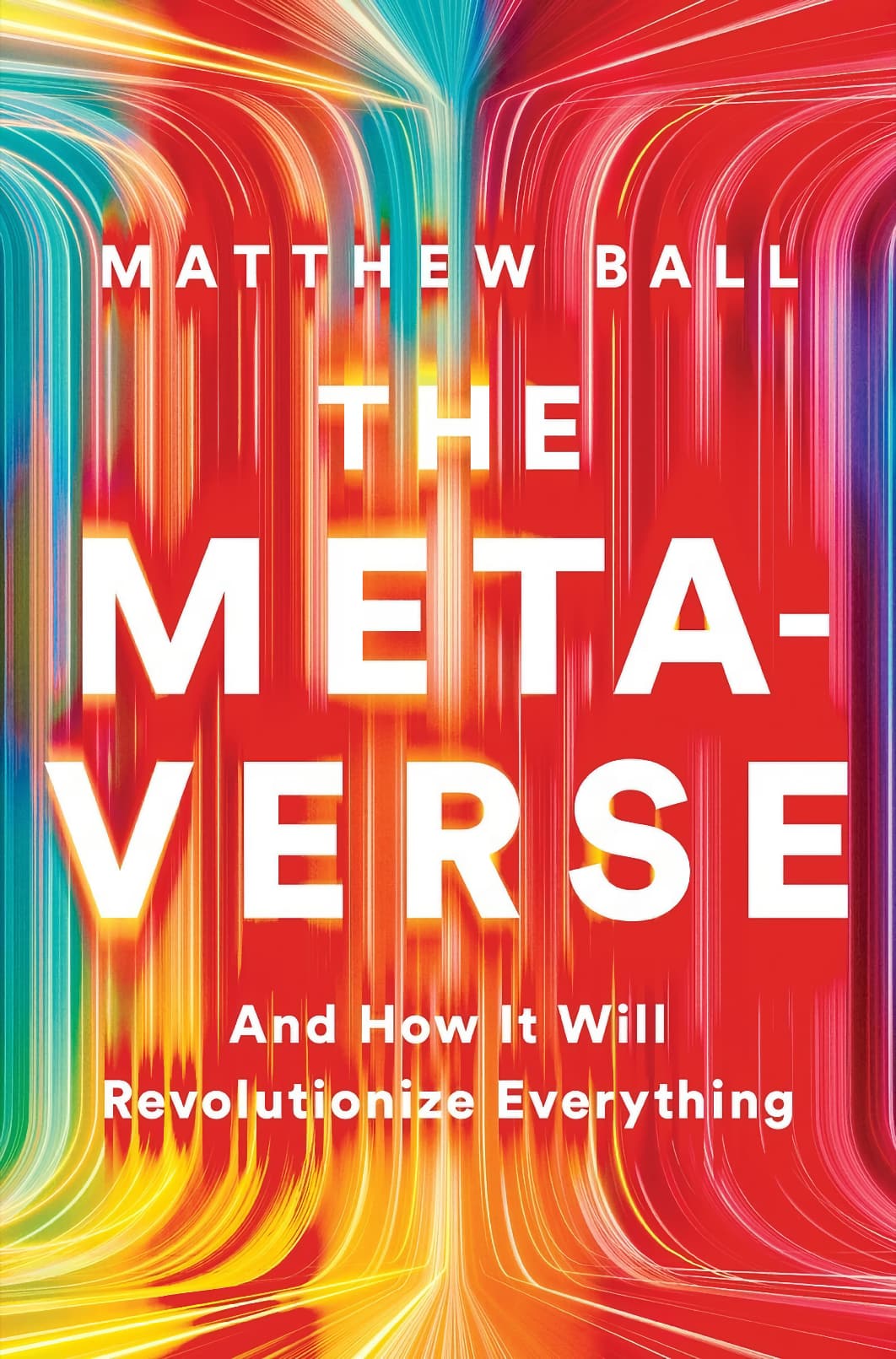
Matthew Ball - The Metaverse Book

Matthew Ball's The Metaverse: And How It Will Revolutionize Everything provides a comprehensive overview of the past, present, and potential future of the metaverse. Ball defines key concepts like virtual and augmented reality, digital worlds, and the evolution of the internet into a persistent virtual realm. He analyzes technological hurdles, potential business models, and hypothetical societal impacts with insight. This is an essential read for anyone looking to understand what the metaverse is and where it may take us next.

Ball covers a tremendous amount of territory, from the evolution of virtual worlds to spatial computing to crypto-economics. While wide-ranging, he delves into topics like interoperability and governance in enough depth to satisfy technical readers like myself. I especially appreciated his exploration of how fiction has primed our expectations of the metaverse. Walking through examples from Snow Crash to Ready Player One, he makes clear connections between imagination and innovation.

With metaverse momentum growing in the past year, and amazingly some of the technological details are already now outdated. But the book’s core analysis remains highly relevant. Anyone looking to truly understand the possibilities and challenges posed by the metaverse will gain a grounded perspective from reading this book. I certainly finished it more enlightened, and with plenty of new questions about what the metaverse could enable, how it could transform society, and what risks it may pose if not thoughtfully guided. The Metaverse succeeds in covering almost every major issue around this complex emerging technology that will soon touch all of our lives.

The metaverse is upon us, it will be big and it will change the world whether we want it or not, and it will be profound, just like the internet. We all be better off if more of us will start preparing now.

Matthew Ball - The Metaverse Book at Amazon

Asteroid City Wes Anderson's Masterclass in Off-Kilter Cool

Posted on 2023-08-11 by Dmitri Zdorov

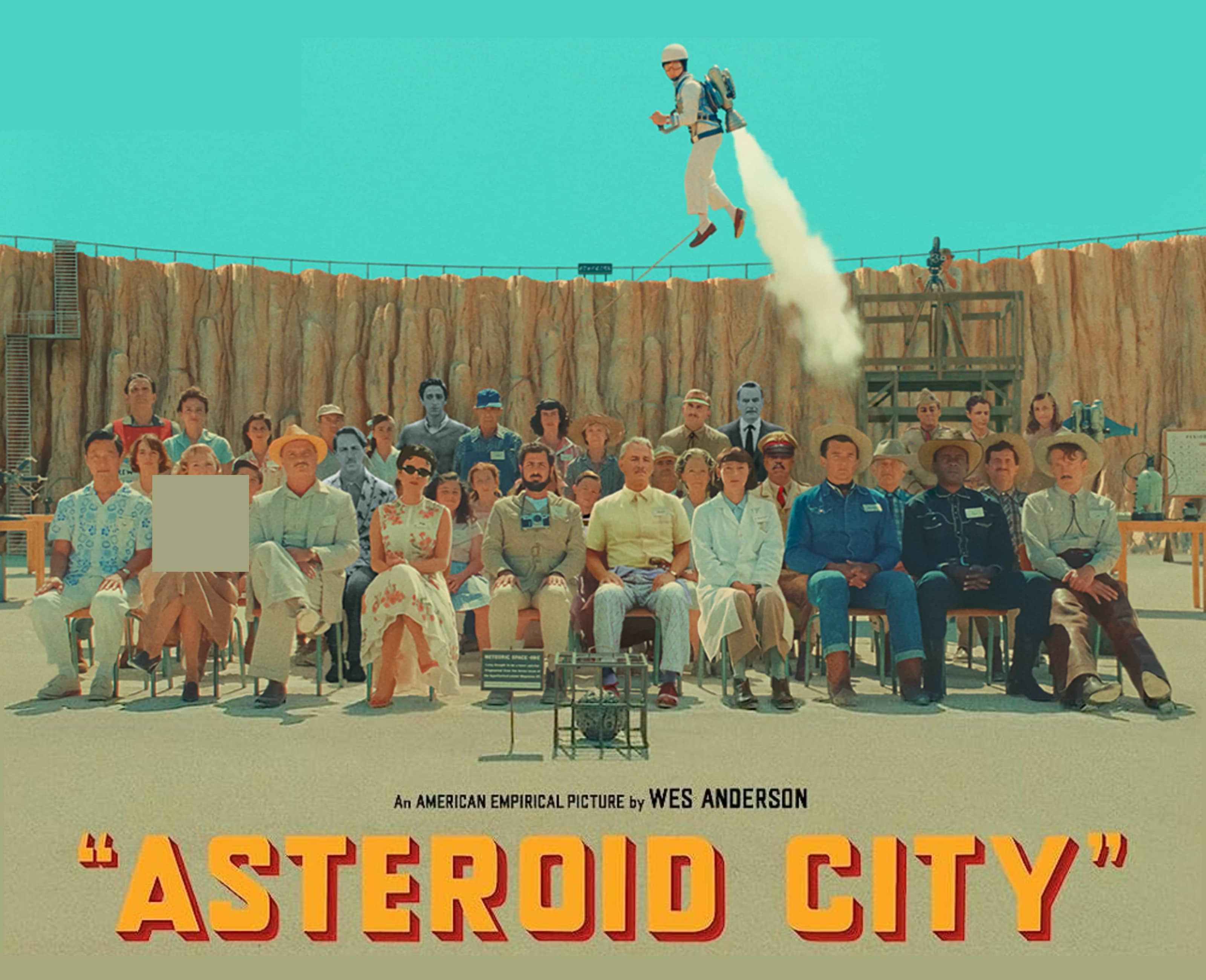
Asteroid City

'Asteroid City' is the latest film from acclaimed, and probably my most favorite American director Wes Anderson, released in 2023. True to Anderson's unique aesthetic, "Asteroid City" is a visual feast, with his signature styling present in every frame.

For those who appreciate Anderson's artistic sensibilities (though his work is certainly not to everyone's taste), Asteroid City will be a sheer delight. The cinematography is gorgeous, complementing a witty, quirky script brought to life by Anderson's expert direction. His offbeat humor and heartfelt sentiment shine through, just as they have in classics like The Royal Tenenbaums and Moonrise Kingdom.

The stellar cast only adds to the magic. With an ensemble packed with big names like Tom Hanks, Scarlett Johansson, Edward Norton, Bryan Cranston, Adrien Brody, Jason Schwartzman, Tilda Swinton, Jeff Goldblum, Margot Robbie, Willem Dafoe etc., the performances are pitch-perfect. The actors fully inhabit the idiosyncratic world that Anderson has created, imbuing their characters with warmth, humanity and humor.

For Wes Anderson fans, Asteroid City is his latest imaginative wonderland brought to life. It exhibits all of his directorial trademarks - striking visuals, melancholic emotion punctuated with deadpan comedy, and quirky characters oblivious to their own eccentricities. Early reviews indicate this is Anderson operating at the height of his creative powers, crafting an experience both poignant and delightfully absurd. Even those normally left cold by his films may find something to appreciate in this immersive cinematic universe. This movie makes it clear Anderson's singular vision remains as enchanting as ever.

Aligning Our Personality Dimensions

Posted on 2023-07-13 by Dmitri Zdorov

Aligning Our Personality Dimensions

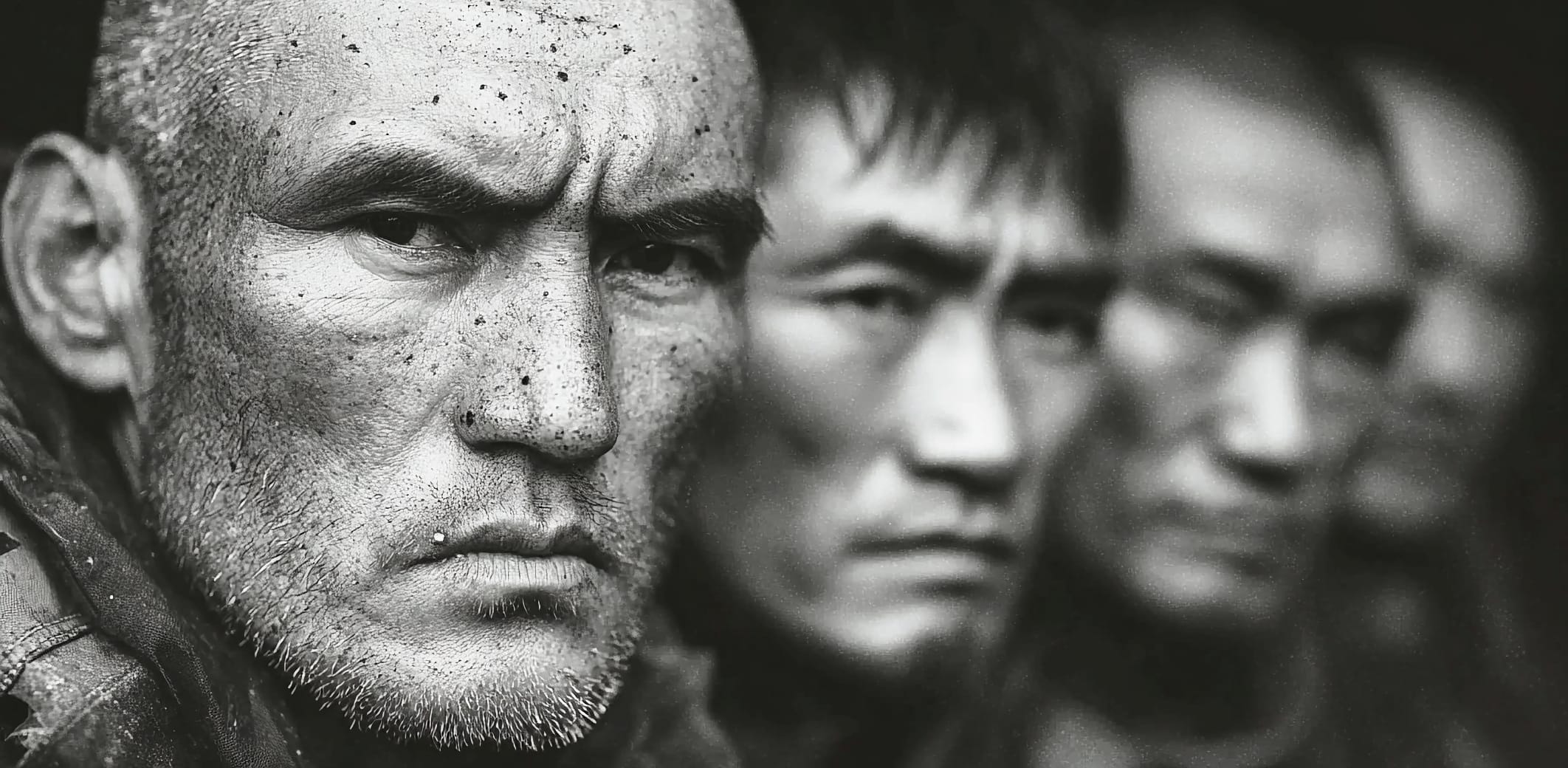
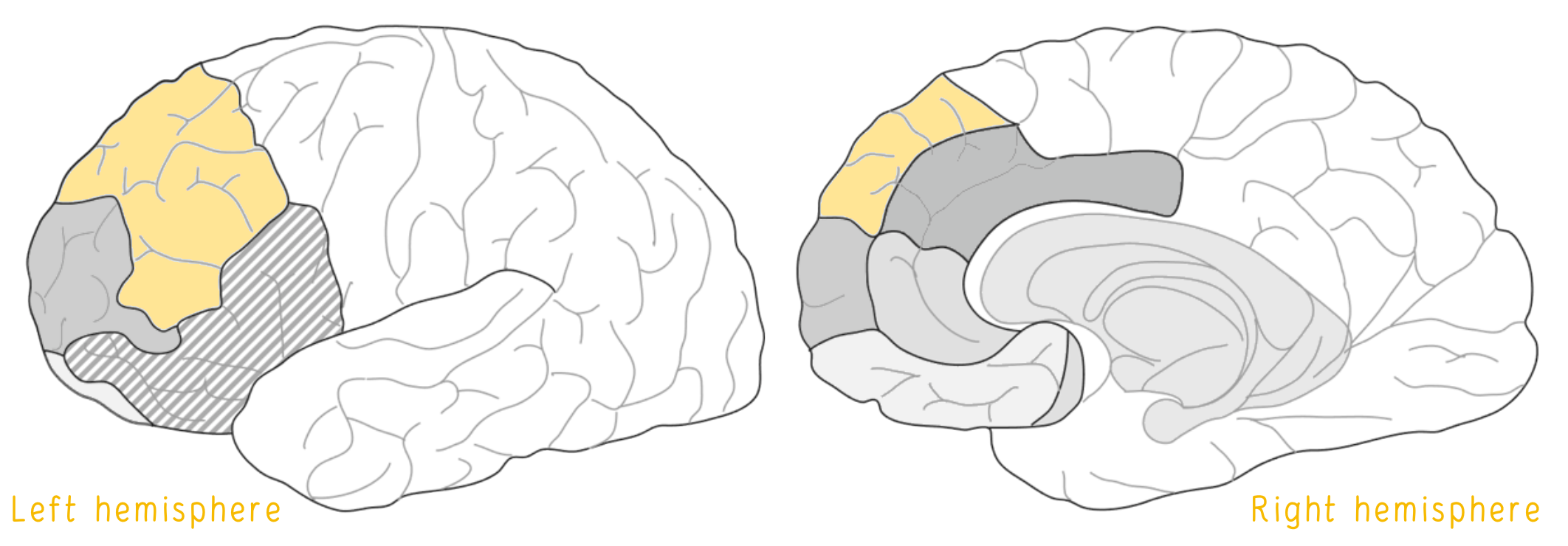
Our underlying personality dimensions act as the invisible machinery driving human behavior, illustrating that, on the inside, we are not a single, unified entity, but rather a collection of different drives and tendencies that rarely pull us in the exact same direction. People sometimes describe the mind using concepts like the “reptilian brain,” with its supposedly different motivations and priorities. Others point to the influence of hormones, genes, habits, and society. However you frame it, it’s clear that many forces at play and they shape our behavior in a complex way.

I explained all this to myself a long time ago using scales, or, more precisely, personality dimensions.

To me, personality remains a unified whole, albeit one composed of many internal influences. There are countless behavioral programs running inside us, and each exerts its own pull. The influence of these programs can be represented along various spectrums. There are many such dimensions, but I find four of them particularly noticeable:

  1. Instinctiveness
  2. Traditionalism
  3. Social Value
  4. Reverence

We all fall somewhere on each of these dimensions—some closer to the edges, some near the middle. Their combination largely shapes our behavior and our compatibility with others. What’s interesting is that in some respects we are drawn to people who resemble us, while in others we are fascinated by those who are our opposites, as though they complete something within us.

Traditionalism

When the packs of our ape-like ancestors gradually evolved into societies, traditions emerged. Animals also exhibit rudimentary forms of learned behavior and social traditions, but culture, in its full sense, is ultimately a human phenomenon. Today we all live within cultures and feel their influence constantly. The differences between cultures shape almost everything around us.

Yet each of us is influenced by culture and tradition to different degrees. This is where the dimension of Traditionalism comes from. I used to call it “culturedness,” but that term tends to be misleading because people associate it with good manners or broad education.

On one end of the spectrum are people who strongly prefer to follow the norms and traditions of their group. On the other are those who prefer to decide everything for themselves. Importantly, the size of that group can vary dramatically. It may be an entire civilization, a nation, a religion, a profession, or even a close-knit circle of friends.

Punks and other countercultural groups provide a good example. They may reject mainstream traditions, but if they strictly follow the norms and codes of their own community, that still reflects high Traditionalism. The traditions are different, but the underlying personality trait remains the same.

The same applies to many religious and conservative people. Even some underground artists and musicians, despite rebelling against mainstream culture, may operate within highly structured traditions of their own. The content of the tradition changes; the inclination toward tradition does not.

Instinctiveness

Rationality ↔ Instinctiveness

Instinctiveness is one of the most important dimensions in my model.

We are all constantly influenced by instincts, while our capacity for reason allows us to regulate and sometimes override them. Human beings possess an unusually developed ability to reflect, plan, and restrain immediate impulses. In a sense, there is a continuous negotiation between instinctive drives and rational judgment.

Where a person falls on this spectrum depends largely on how often reason prevails over instinct, and how effectively they can resist instinctive arguments when those arguments conflict with their long-term interests or values.

Of course, instincts are not the only voice in this internal debate. Habits, traditions, and cultural expectations are always present as well. Because Instinctiveness and Traditionalism interact so strongly, I’ll return to their relationship later when discussing compatibility.

Social Value

Social Value is closely related to what is often called rank.

Of course, rank itself is more complicated than a single number. There is actual rank, perceived rank, realized rank, and probably several other variations. For the purposes of this model, I group them together under the broader concept of Social Value.

Living creatures form hierarchies. Hundreds of millions of years ago, long before trees appeared on Earth, hierarchies already existed. Human societies are no exception. In fact, most societies contain multiple overlapping hierarchies. Among them, two are especially important: the hierarchy of competence and the hierarchy of social status.

Modern civilization attempts, at least in theory, to function as a meritocracy. The more value a person creates, the more rewards they receive. In practice, this works imperfectly. Luck, inheritance, manipulation, corruption, and countless other factors complicate the picture.

As a result, people often evaluate one another through a broader and less formal sense of Social Value. We constantly assess who deserves respect, trust, influence, attention, and resources. Whether those assessments are fair is another matter entirely.

It’s easy to see why such instincts developed. When our ancestors successfully hunted a mammoth, the meat was not distributed solely among the hunters. Those who remained behind also received a share, and the distribution often reflected status within the tribe.

Popular culture frequently simplifies hierarchy using labels such as Alpha, Beta, and Omega. Reality is far more nuanced than these categories suggest, but they remain useful shorthand for discussing status and rank.

Our Social Value influences how we see ourselves, how others see us, how we communicate, and even who we choose to associate with. Although cultures often develop customs and institutions designed to soften the harsh edges of hierarchy, differences in Social Value remain a powerful force in human behavior.

Reverence

Reverence describes how deeply we feel responsibility for our actions and their consequences.

It’s tempting to simply call this conscience, but I mean something slightly broader. Reverence encompasses conscience, empathy, responsibility, humanity, and the ability to see beyond one’s immediate interests.

A person who can control their instincts through reason and bypass tradition when it suits them will inevitably face moral dilemmas. On one side may stand a deep awareness of the consequences of their actions; on the other, a cold indifference to those consequences.

There may be a goal—often rooted in resentment, ambition, trauma, or some personal obsession—and there is a path toward that goal. Whatever lies along that path becomes secondary. Other people become obstacles, tools, or collateral damage.

Naturally, most of us would prefer not to live in a society filled with such people. Crossing paths with them can range from unpleasant to dangerous. Even if you appear to be on the same side, loyalty may prove temporary.

At the same time, people with low Reverence can be remarkably successful in certain environments. Unburdened by empathy, guilt, or concern for broader consequences, they may become highly effective at manipulating individuals, organizations, and sometimes entire populations.

Fortunately, truly extreme cases are rare. In many people, instincts, traditions, emotions, and social expectations act as natural restraints. These forces do not always prevent harmful behavior, but they often limit it or expose it.

And so, as with the other dimensions, each of us falls somewhere along this spectrum.

The Mutual Correlations: How Dimensions Interact

Now let’s look at how these dimensions interact.

First, consider the first three dimensions: Instinctiveness, Traditionalism, and Social Value.

Obviously, people do not exist at the absolute extremes of these spectrums. Most of us occupy positions somewhere in between. But for the sake of analysis, let’s divide each dimension into three broad zones: high, medium, and low.

Once people are grouped this way, an interesting pattern appears. My own observations suggest that strong long-term relationships tend to involve significant alignment across all three of these dimensions.

To be clear, such alignment is merely a prerequisite. It is far from sufficient on its own to guarantee a successful relationship. But when significant mismatches exist, the foundation is often placed under considerable strain.

Historically, Social Value was probably the dominant factor. Traditionalism later became increasingly important as human societies grew more complex and culture became essential to survival and social cohesion.

Instinctiveness was always present as well, but for much of history the majority of people clustered within a relatively narrow range. A hundred years ago, most people were both highly traditional and highly instinctive. Differences in Social Value often played a much larger role in determining compatibility.

If we use the simplified three-zone model, there would effectively have been only a small number of common combinations. Finding a compatible partner was therefore a much simpler problem.

With industrialization, mass education, scientific thinking, rising living standards, and increasing individualism, people began spreading out across these dimensions. Decisions increasingly reflected conscious reasoning rather than instinct alone, and many people began questioning traditions that previous generations accepted automatically.

As a result, the number of possible combinations expanded dramatically. If we divide three dimensions into three zones each, we end up with twenty-seven possible groups. Assuming, purely for illustration, that these groups are evenly distributed, only about 3.7% of people would fall into the same category.

The situation becomes even more complicated because our positions on these dimensions are not fixed. They change throughout life.

This may help explain why so many relationships that begin successfully later struggle. One partner may become less instinctive and more analytical. Another may become more attached to tradition. One partner may experience significant growth in Social Value, while the other develops intellectually, emotionally, or professionally in a different direction.

Even if two people begin highly aligned, movement along one or more dimensions can create growing tension over time.

Again, alignment across these dimensions is only one ingredient in long-term relationship stability. It is not sufficient on its own, nor is it the only factor that matters. But I suspect it is a more important factor than most people realize.

This topic is enormous, and I have only scratched the surface here. My goal was simply to outline the framework itself. Whether we are talking about relationships, politics, economics, culture, religion, or even war, I increasingly find that these four dimensions provide a useful lens through which to understand human behavior. They do not explain everything, but they explain far more than I once expected.
The Paradox of Valuing Wise Decisions

Posted on 2023-07-05 by Dmitri Zdorov

The Paradox of Valuing Wise Decisions

What if wisdom's greatest flaw is its own success? By shielding us from disasters, do wise choices rob us of the ability to truly value what we've gained?

We truly begin to value something only when it disappears. But this raises a question: if we live wisely, avoiding problems, can we genuinely appreciate what we've achieved? Will we find joy in averting major difficulties if we've never suffered from them?

Absence, loss, or even a profound fall—these are, in a way, teachers. They make us value what was once taken for granted. But wisdom allows us to avoid various horrors. And if we don't experience them, how much can we truly appreciate our successes? This applies not only on a personal level but also to families, nations, or even all of humanity. It holds true for personal relationships, health care, well-being, careers, governance, economic systems, or raising children.

Learning from others' mistakes can help here. This is especially important for children or younger generations. By observing the errors of others, we understand the consequences of unwise decisions—or outright foolishness. Such experiences help us value the fruits of our wisdom, even if we haven't faced serious problems ourselves. This way, we blend both experiences, learning to appreciate what we have while remaining mindful of potential losses, even if we don't have to endure them. In practice, however, this doesn't always work, and history tends to repeat itself. Wealth amassed by grandparents is often lost by the time it reaches grandchildren or great-grandchildren. Still, this can be addressed through thoughtful historical memorials, testimonies, and proper history lessons. These work to some extent on the level of cultures and nations but can also apply to families—assuming, of course, that families exist in the first place, which, since we're talking about wisdom, we can assume they do. Another good example is vaccinations. When everyone is vaccinated, the horrors of terrible diseases and epidemics don't seem so threatening, and we don't fully appreciate their absence. But books, films, and our collective cultural heritage can vividly illustrate this for us. Lately, though, that seems to be falling short. But vaccines are a separate topic.

It's also worth noting that we shouldn't confuse the paradox of valuing wise decisions with the "Solomon's Paradox," which describes a wise person giving excellent advice to others but constantly stumbling in their own life. Solomon's Paradox, rooted in biblical narrative, is often used as a metaphor for wise but tragic choices. My topic here is different—it's about the paradox of valuing wise decisions, where the outcome is the absence of disasters, nightmares, and catastrophes, and the resulting difficulty in recognizing and appreciating the achieved good.

Such is the dichotomy of appreciation.

Protecting Against iPhone Passcode Thieves

Posted on 2023-06-22 by Dmitri Zdorov

If thieves steal both your iPhone and passcode, they can lock you out of all your devices almost instantly. Here's how to protect yourself

Protect your iPhone pin

Here's the situation: if a thief steals just your iPhone, it's terrible, but your account, your data, photos, credit cards, and bank accounts are safe. However, if, before stealing your iPhone, they snoop your passcode, the situation becomes drastically more brutal. When they know your passcode, they can change it, and they can change your iCloud password, log you out of all your other devices, and then proceed with various ways to exploit the situation. And do all that in seconds. Then things will get way worse really quickly because the loss of your iPhone is just a beginning of an actual disaster to the extent of them deleting all your photos, highjacking all your media accounts and soliciting people who trust you, using your credit cards with Apple Pay, possibly get to your banking accounts, etc.

You might think that it's not that easy to steal your iPhone passcode because you mostly use Face ID or Touch ID, but they use clever technics to get it. For example, a couple of girls might take pictures of each other in a crowded touristy place. A crook appears and offers to take a photo of both of them, and he does. He hands the iPhone back, asking them if the picture came out well. As he does it, he presses the power button a few times, forcing the iPhone to prompt for the pin. At this moment, the victim is distracted, and his accomplice is looking over her shoulder or filming how she enters the pin. And if they manage to steal a phone itself a few minutes later, the game is over. And this is just a straightforward scenario. There are many other ways to do that.

It is a pretty alarming flow, and ever since Joanna Stern, John Gruber, and others started to warn people about it, some of the most savvy users have been aware of this risk. John Gruber even raised that issue to the Apple execs during his WWDC Talk Show. Surprisingly, Craig Federighi did not have a good answer. What a shame.

However, things are not that bad because I have a good solution for you. It does not require purchasing any security products. iOS already has a way to protect you; surprisingly, there is little talk about it.

Protect your iPhone password

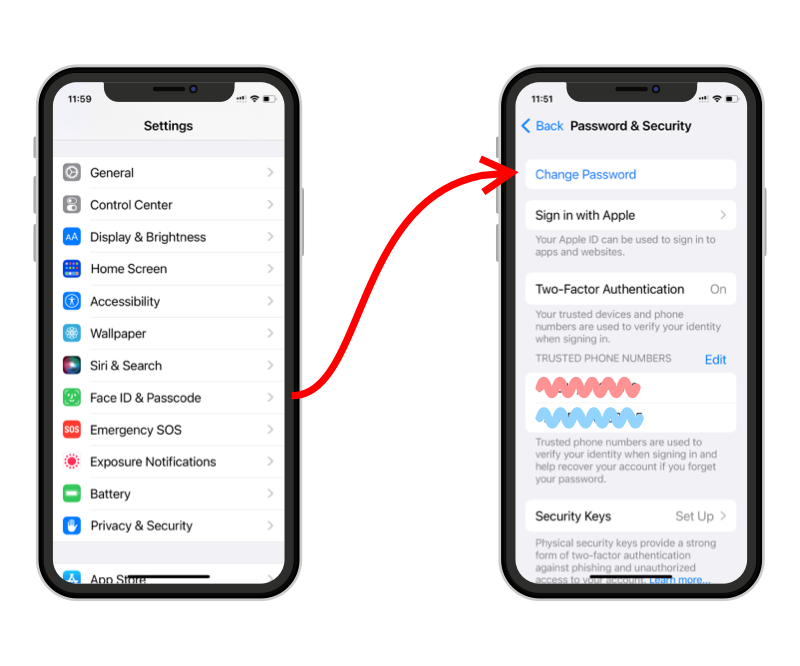
By default, you go to the Setting app and from there to Face ID and Passcode and take over. Let me show you how to put an additional level of protection there.

Protect your iPhone password

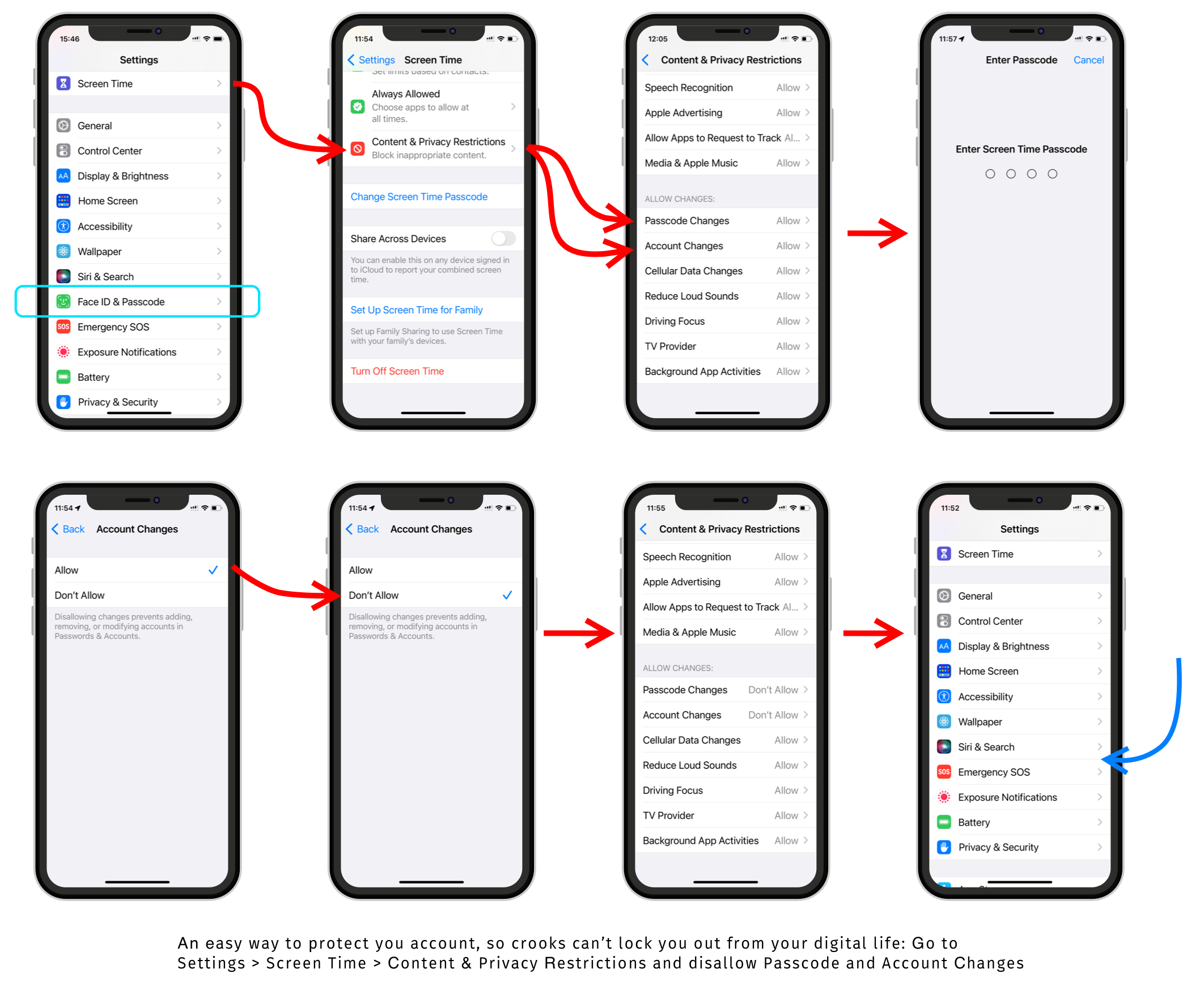
  1. Go to Settings App on your iPhone.
  2. Select Screen Time.
  3. Scroll down to Content & Privacy Restrictions.
  4. Under the ALLOW CHANGES section, locate Passcode Changes and Account Changes.
  5. You will be prompted to enter if you have already set up a Screen Time password (as many parents do). You will be prompted to create a Screen Time password if you still need to set it up.
  6. Change the setting to "Don't Allow" for both Passcode and Account Changes.
  7. That's it! Your Settings will no longer display the option to change the password, and your iCloud settings will prevent you from disabling Find My or changing the password. Just remember to go to Screen Time again if you do need to change those things.

Of course, it would not protect your iPhone from being stolen, and crooks still can overlook your passcode. Yet, at least they will not be able to lock you out from all your accounts and thus give you time to lock them out, mark your device as stolen, and so on. Your Screen Time password they obviously did not see, will be in their way. Just make sure it's different from your iPhone passcode.

In any case, please be cautious of all this, and use a good passcode. I suggest using a longer number because once you opt out of using a default 6-digit pin setting, it's way harder to guess and even steal it by sneaking up.

update:

Since I wrote it, Apple has added freatures to the iOS to properly address this situation, and above solution is no longer needed.

The Unsettling Brilliance of Beau Is Afraid

Posted on 2023-05-09 by Dmitri Zdorov

beau is afraid

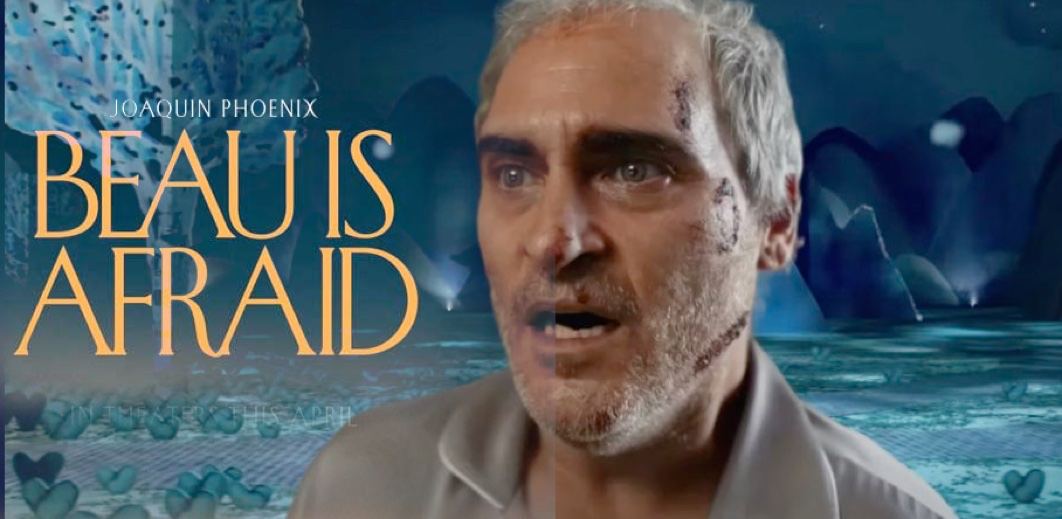
'Beau is Afraid' by Ari Aster (Все страхи Бо), an unexpectedly unique cinematic journey, captivates with its intense portrayal of human psychology and societal issues. The narrative is rife with profound madness, enigmatic dreams, and cryptic allegories. I anticipated a pull-back of the camera to reveal the objective reality, yet that moment never arrived. In this deliberate omission, the film's exquisite beauty unfolds.

Our protagonist navigates a metaphorical jungle teeming with life, a vivid reflection of his internal turmoil, entangled with the echoes of childhood trauma. This isn't just a journey through the wild; it's a deeply personal exploration of his inner psyche, a battlefield where he grapples with haunting memories and painful emotions.

The film boldly depicts the escalating chaos, an epidemic of lunacy and paranoia sweeping across parts of the United States. No matter how nightmarish the scenes appear, the film subtly emphasizes that the onscreen horrors may not be far removed from the chilling realities unfolding in various corners of the country.

It's challenging to categorically recommend 'Beau is Afraid.' It is a film that fascinated me, leaving me in deep awe and admiration. However, it certainly isn't a casual watch for everyone. Its potent themes and intense narrative might not sit well with those unaccustomed to such storytelling. Nonetheless, for those willing to delve into its depths, it promises an enriching cinematic experience unlike any other.

In summary, if you're yearning for a unique film that combines stark realism with psychological exploration, 'Beau is Afraid' could be a compelling choice. It's undoubtedly the best movie I've witnessed this year, leaving an indelible mark on my perception of contemporary cinema.

Death's End - A Breathtaking Finale to a Remarkable Trilogy

Posted on 2023-03-20 by Dmitri Zdorov

The Three-Body Problem Trilogy

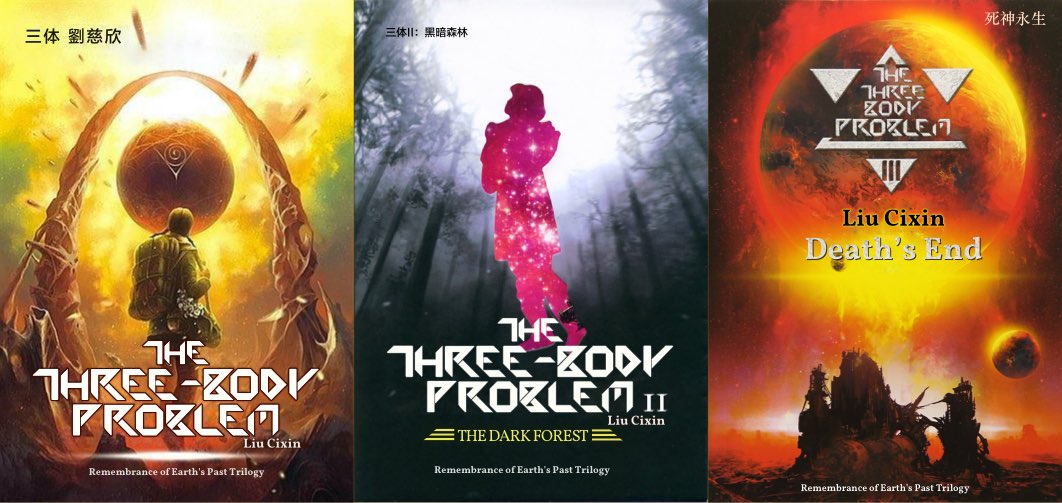
Liu Cixin's Three-Body Problem Trilogy has been a transformative contribution to contemporary science fiction. Its final book, "Death's End", stands out as my personal favorite in the series. While the 2nd one dives into the explanation of the Fermi Paradox, this one deals with even bigger questions.

The trilogy as a whole is a remarkable exploration of the universe, human nature, and the ultimate destiny of civilization. The title of the first book, "The Three-Body Problem", refers to a problem in physics concerning the behavior of three celestial bodies moving under nothing but the influence of their mutual gravitation. No general solution to this problem exists, and it serves as a metaphor for the unpredictable complexities of life and the universe.

Starting with "The Three-Body Problem", we're introduced to a secret military project that makes first contact with an alien civilization on the brink of destruction. The second book, "The Dark Forest", dives into the cosmic sociology and introduces us to the chilling concept of the Dark Forest in the universe.

"Death's End", the third and final book, is an exceptional work of hard science fiction. It brings together the plot lines and concepts from the first two books and expands them into a dizzying portrayal of time, space, and reality. The storyline is awe-inspiring and provokes profound thoughts about humanity's place in the universe.

What strikes me the most about this concluding novel is Liu's ability to capture the sublime and terrifying beauty of the cosmos. The depth of imagination, the intricacies of plot, and the grand scale of its ideas make "Death's End" a truly spectacular read.

If you're a science fiction enthusiast and haven't dived into this trilogy yet, you're missing out on a truly extraordinary literary adventure. This is true hard Sci-fi

Death's End by Liu Cixin

Only Self

Posted on 2023-02-24 by Dmitri Zdorov

Weapons production

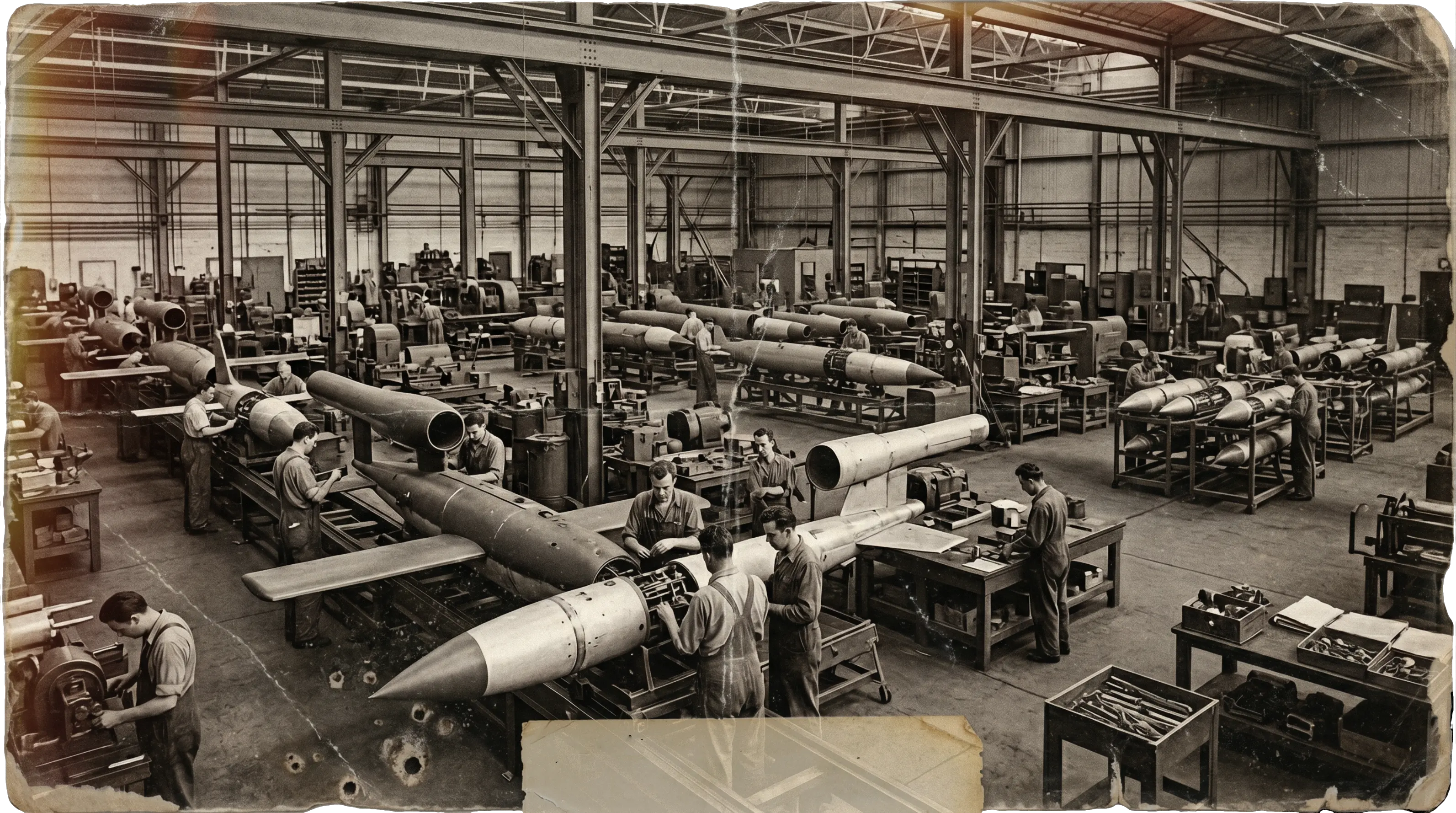
The Kremlin's war against Ukraine has been going on for a year now. And it's a horrible, bloody war, an actual war and this whole circus of refusing to call it a war, only a "special operation," is just a plain lie. And as much as I and many others would like it to end soon, or in a year like some are predicting — no. It won't be over in a year. It terrifies me to think about, but I don't see any other option except Ukraine itself becoming industrially and militarily more powerful than the entire military and economic force of Russia, plus all their little helpers like Iran, North Korea, China, and even Cuba. Who are helping economically and maybe even more.

Any help from the West will always be extremely limited, and for several reasons at once, the main one being the complete political and ideological decay of Europe's elites. But also for economic reasons. They have their own problems they're incapable of solving, and the situation will only get worse. First and foremost, China will keep taking away their manufacturing year after year, while the US takes away their technological development. And not because the US and China are so devious (although they are), but because Europe is simply incapable of doing anything about it. That's why I'm convinced Europe will help, but mostly with small handouts, money, and a tiny bit of weaponry. All of this is, of course, very necessary and valuable, but nowhere near enough to stop the war.

The US will behave worse and better at the same time. Rhetorically, there'll be less support from the US, but in practice more, still very limited, though. Biden's administration is simply incapable of doing anything meaningful. There's some hope, of course, that if Trump suddenly gets elected, something might change, but I wouldn't count on it. He'll talk plenty and loudly, but in the end won't do any more than Biden. On top of that, he's a big fan of various dictators, and it's not yet clear whose side he'll be on. And I just have so little faith in both Democrats and Republicans that I fear that when the election comes, the American public will face a shameful choice between those two, while the majority of people would rather see neither of them.

So Ukraine has only one option to end the war on its own. And right now, that is very, very far away in practice.

The scenario where Russia takes over all of Ukraine also doesn't seem particularly likely. It's hard to describe what a horrific catastrophe this war already is for Russia. A huge number of people are dead and will be dead before it's all over, and since I think the war will go on for a long time, that means many times more will die. Both Ukrainians and Russians, soldiers and civilians. Cities near the front and deep in the rear will be devastated. The number of cripples and all kinds of deranged thugs who will return years later, utterly brutalized it's beyond description. What Russians who are against the war can do, I can't really imagine either. I see that there's some segment of reasonable, talented, and morally decent people there, but they are few. The complete ghouls aren't the whole country either, the majority are indifferent people raised over years, or centuries, to live in oppression and lies. But that segment who are against the war is unarmed; who can they stand up to? The internal troops—all the cops, the CheKists, the presidential guard, there are probably twice as many of them as the entire army currently fighting against all the armed forces of Ukraine, who are getting some, albeit little, help from the West. An unarmed opposition is powerless. First of all, it's fragmented; secondly, it's too naively pacifist. But even if it united into a single force and tried to actively resist, I have not the slightest doubt that they'd just be shot dead if needed—there is plenty of precedent in the past. During the civil war, the well-armed White Army couldn't manage it. For something to change, either decades must pass with a complete generational shift and with it, shifts in the economy, technology, demographics, etc. or some enormous cataclysm has to happen, and at this stage, that apparently means total military collapse. And as horrible as that sounds, and it truly is horrible, since it means enormous human losses on all sides, destruction, and economic collapse. it's all a nightmare, a horrible nightmare. Thus the sooner the war ends the better for Russian people, and especially all those people and their families that will avoid the death, brought with every additional day of it, not to mention the deep moral degradation that engulfs most of the population.

And by the way, more or less the same logic applies to Israel and Taiwan as well. And this is not just a fantasy. If the free world truly believes in its advantages, then it must use those advantages for its defense. The ancient Greeks were able to defend their democracies against the Persian invasion on the battlefield. Although they were later destroyed by their own weakness, it now seems that the West has been destroyed from within even before the invasion.

My Observations After A Job Search

Posted on 2022-08-31 by Dmitri Zdorov

job search

Recently I had to go through a process of finding a new job, which included searching for positions, interviewing, and negotiating.

The skills and qualifications you use to do the job versus searching for that very job are quite different. It becomes obvious to anyone who has gone through this endeavor.

Because you don't do job hunting every day and that skill isn't sharpened, I thought I'd share a few key points I wish I had known from the beginning.

I was not any good at this task because I never had to do a cold job search for the entirety of my career. Every time I was invited to a job interview was through a friend or ex-colleague, or a client I already knew well, so it was a done deal. But this time around, I had to do the whole thing on my own.

I started by updating my LinkedIn profile, then my résumé. I set the process in motion after I posted the new shiny résumé on numerous job search websites.

My cold search approach consisted of three main directions:

  1. Applying to companies directly through their career pages
  2. Applying via LinkedIn and other job search sites
  3. Posting my résumé on several job search sites.

The Cold Outreach Phase Of The Job Search

Prepare a short and long résumé

How long should the résumé be? Short, one-page résumé often works better than a multi-page one, but prepare both. Each has its purpose.

Use the job posting as guidance

Your summary and skills bullet points should be tailored to the position you are applying for. I suggest you don’t make stuff up, but you’ll need to align the skills you already have with what they are looking for and do that with keywords that are used in the ad.

Create new dedicated methods to contact you

I strongly recommend creating a dedicated email address and, if you can, getting a separate phone number for this process.

You will be getting a lot of calls and messages. After you find a job, they will continue to contact you, thus, having designated contact info that you can switch off will eliminate future annoyances.

Know what position you’re applying for

At the beginning of the process, I was not sure exactly what position I was looking for, it complicated things. It’s better to concentrate on one, two, maybe three positions at most.

Initial Calls With Recruiters

Once you post your résumé online you will be bombarded with calls from recruiters and soon it will become overwhelming.

They all will be asking the same things:

  • Are you still on the market?
  • What are your salary expectations?

It might take you several days to get a sense of what most of them are willing to offer.

It’s different with direct applications, and oftentimes you do not negotiate compensation until the late stages of the interview process. Companies recruiting without external help can offer a higher salary, but your competition is tougher too.

Typical processes start with initial screening by HR or a recruiter (often, it’s the recruiter's manager who contacted you the first time).

Prepare a short story that explains who you are, what you’ve done, and what you are looking for. It's the most common snippet you'll repeat in almost every conversation. Make it relatively short, and be ready to say it in under a minute. You should not just prepare it in your mind but also write it out word for word and practice saying it out loud. You should update any wording if it sounds unnatural, and write it exactly as you speak.

When going into your employment history, it’s better to start with the older jobs and finish with the most recent one. Your last position should account for about half of what you say here.

Prepare to answer the usual question, “Why are you looking for a new job?”

Job Interviews

Once you pass the initial screening and if they like you, they will try to schedule a first real interview.

Try to find out who will be on the call and look them up on LinkedIn. It will help find common ground for a conversation. Some people can open up to you that way. You are half the way to success if they like you personally.

These days most of the interviews are done remotely, but sometimes you will be asked to come to their office. In either case, do not dress too casually.

If you get nervous, here's a trick to try if you don't mind drinking. 15-20 minutes before the call, drink a shot of hard alcohol. It will not be enough to get you wasted but you will feel more relaxed. Do not do that if you come in person. 😂

Take the first few interviews purely as training

Try recording audio of the calls and listen afterwards. This is a great tool to improve what you say and how.

There are typical questions for each profession, and you'll get them repeatedly. Prepare a bunch of short stories for most common questions. You can even try to memorize them. To appear prepared, you must speak smoothly and naturally.

Be Ready To Endure Discomfort

A good portion of the questions sounds fake and forced, any normal person won’t feel right answering them. They often are there to test how you can deal with that kind of pressure and tasks in a real life environment.

For example, they will ask you to describe your weaknesses or something you are not good at. This is a tricky request, so prepare for it, and have a short story that sounds realistic yet is not an impediment to doing your job.

Prepare To Interview Them

Usually, you will be asked if you have any questions for them. It is an important part, too, because you are often judged by what you ask them. Having knowledge of the company ahead of time will allow you to ask relevant questions.

Here’s a tip to see how you are doing. A good interview consists of two parts:

  • First, they try to understand if you are a good fit for them.
  • Then, if you pass, they will move to the part where they try to show that they are a good match for you. That’s when your prepared questions come in especially handy.

Don't get discouraged if some interviews are harder than others. Your journey will eventually lead to success, but the process might take longer than you think.

Negotiation an offer

It is very common for compensation negotiations to take place at the end of the process. Make sure you don't hold back on what you want. It is just as bad to ask for too little as it is to ask for way too much. Prepare ahead of time by researching the average salary for this position. Make sure you ask them about their benefits, vacation time, and other benefits. It can be both pleasant and frustrating at the same time.

I recommend prioritizing the jobs you think will be most interesting if you have multiple offers at hand. Often you would be a better match for them too, and thus receive a higher offer from them as well.

Don't assume you got an offer just because they liked you. They will first tell you that they are ready to make you an offer. This is good, but it isn't the offer yet. Until you get a formal written offer, your job hunt isn't over.

Good luck.

The Platform

Posted on 2022-08-21 by Dmitri Zdorov

The Platform

I watched the 2019 film El Hoyo - The Platform by Spanish director Galder Gaztelu-Urrutia. The plot is simple; there is a kind of "prison" tower with different floors, between which a platform with food rides from top to bottom. The farther it descends, the less food remains on it, and leftovers are getting worse and worse. There are two people on each floor, but once a month, they are somehow shuffled to another floor.

A powerful allegory. There are overlapping notes with Snowpiercer, showing a cross-section of society, but the dynamics are very different. And of course, as a really good film, it makes you think and many questions to speculate about for a long time.

Daily logos

I started writing a blog on this site in 1999. It was called Dimka Daily. These days many of my updates go to various social media platforms and to the /blog here at this site, called just Blog. I left Daily as archive for posterity.