Games
Strategy · Maze-Building Tower Defense
Tetato Tower Defense
Build a tower maze and stop ten waves of giant bugs.
Online Games
Master leaderboard — all games on one scale →Small browser games built right into dimka.com — quick to open, no ads, no accounts — plus notes and links on other games worth playing.



Card game · Klondike
d-solit
Klondike solitaire with cheerful suit critters.
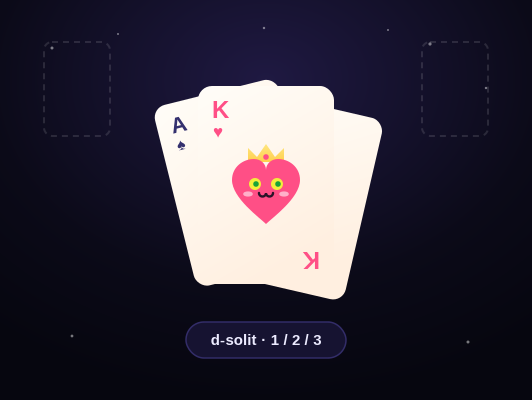
Playful Klondike solitaire with animated suit critters, Draw 1 / 2 / 3 options, a winnable-deal toggle, shareable game spread numbers, and a leaderboard.
Quick start
- Goal: move all 52 cards to the four foundations, one suit each, from Ace up to King.
- In the seven columns, build down in alternating colors — a red 7 on a black 8. Drag a face-up run to move it whole.
- Tap the deck to turn over 1, 2 or 3 cards (the Draw switch). Only the top drawn card can be played; the deck recycles endlessly.
- Only a King, or a run that starts with one, can go into an empty column.
- Tap any card to send it where it fits. Free the face-down cards — every one you uncover opens new moves.
Card game · FreeCell
d-freecellNew
FreeCell: four free cells, and every deal is a puzzle.
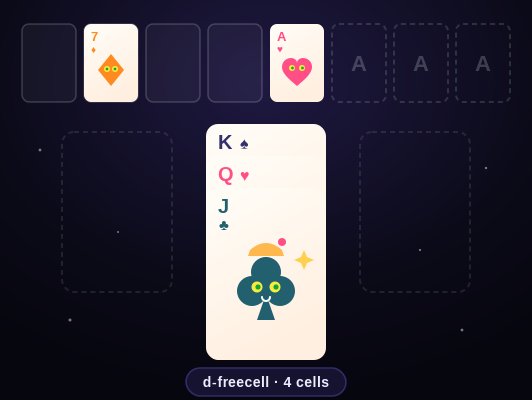
FreeCell solitaire with the same suit critters as d-solit — four free cells, supermoves for long runs, classic numbered deals you can share, auto-collect, and a leaderboard.
Quick start
- Goal: move all 52 cards to the four foundations, one suit each, from Ace up to King.
- Every card is dealt face up into eight columns. Nothing is hidden and almost every deal can be won, so plan ahead.
- Build the columns down in alternating colors — a red 7 on a black 8. Any card can go into an empty column.
- The four free cells (top left) each hold one card. Park cards there to dig out the ones you need, but don't clog them.
- Longer runs move in one go if there's room: (empty free cells + 1), doubled for every empty column.
Jigsaw puzzle · 1992 & now
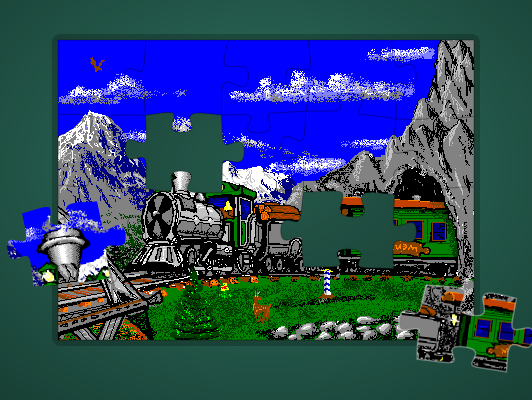
d-jigsawNew
Relaxing jigsaws — art, world maps and the 1992 original.
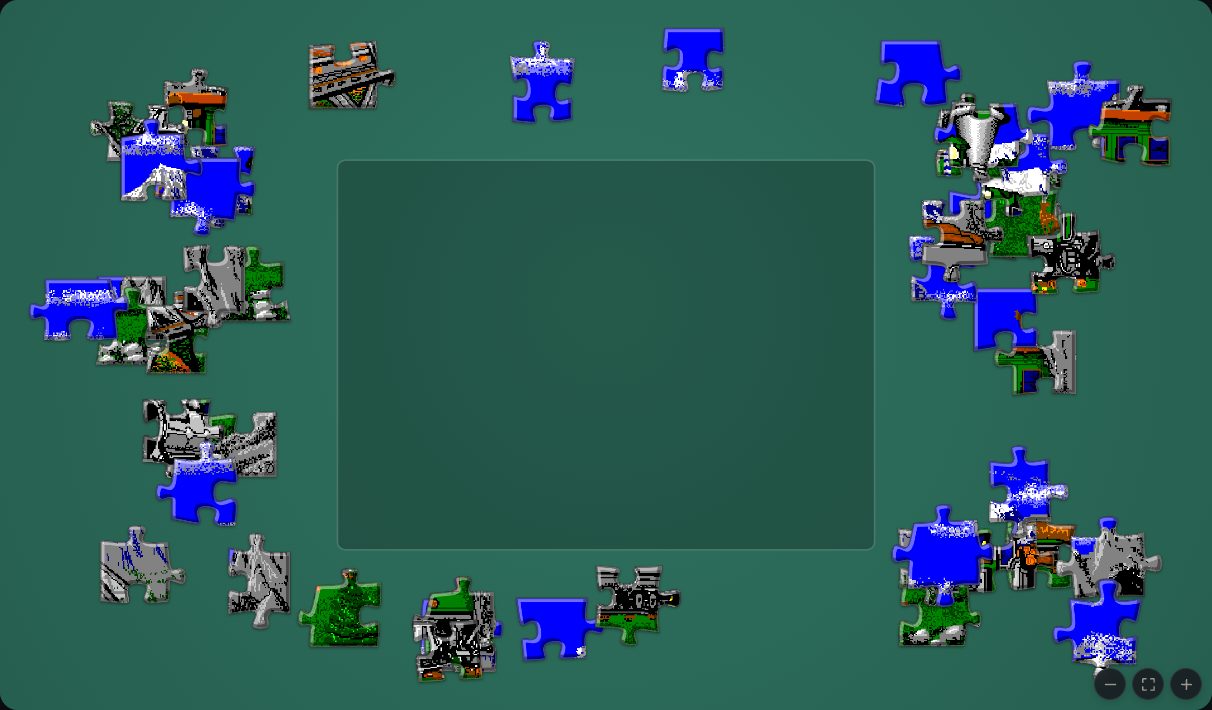
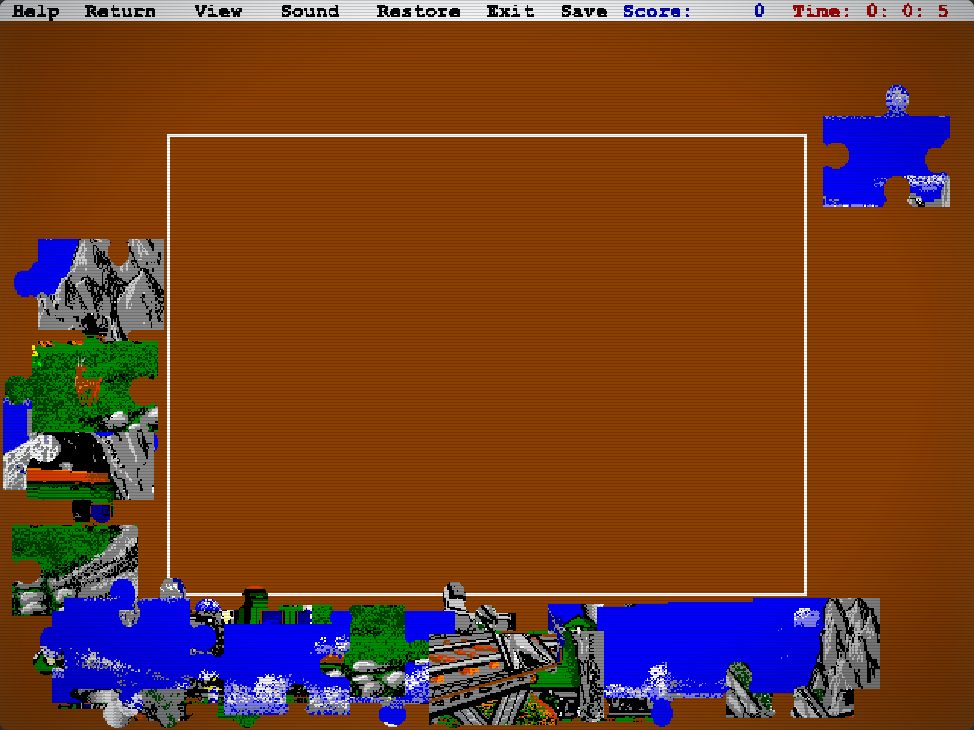
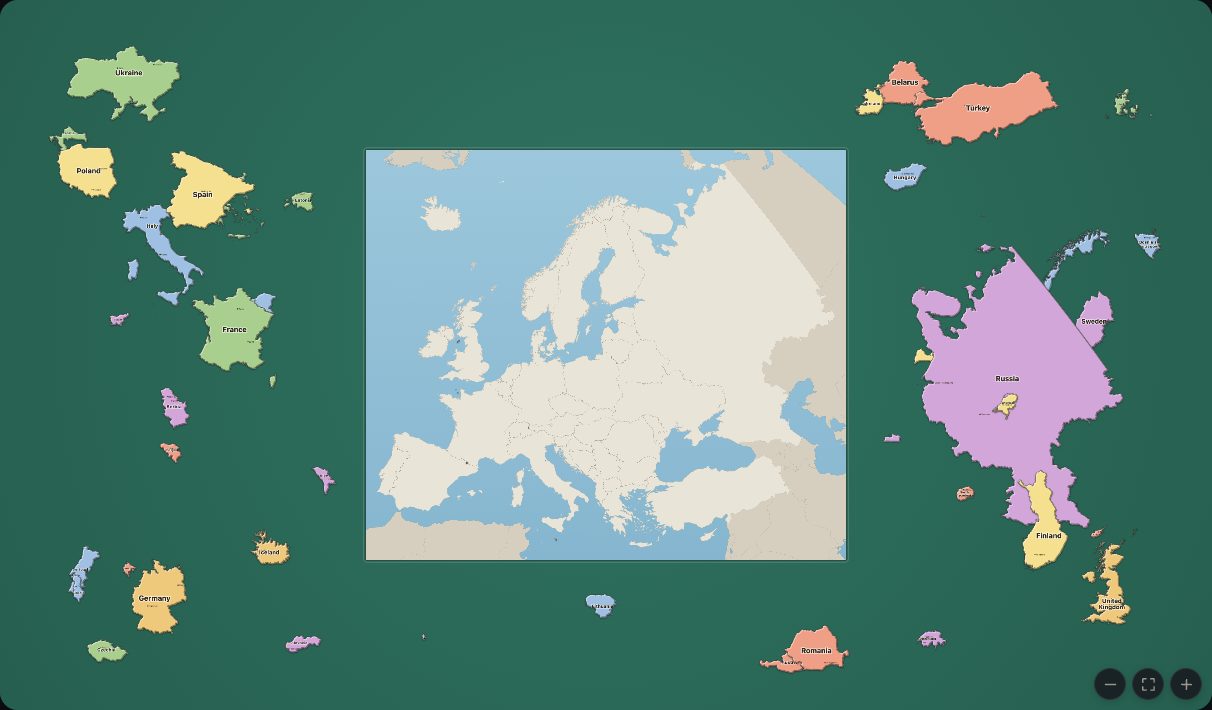
A relaxing jigsaw with Dmitri Zdorov's art — pieces snap together and onto the board, with zoom, a ghost image, an edges filter and autosave. Switch to Retro 1992 to play the original DOS game, rebuilt from its own files, with its menus, cut patterns, falling pieces and PC-speaker tunes. Geography mode makes maps of the world, the continents and the USA into puzzles whose pieces are countries and states.
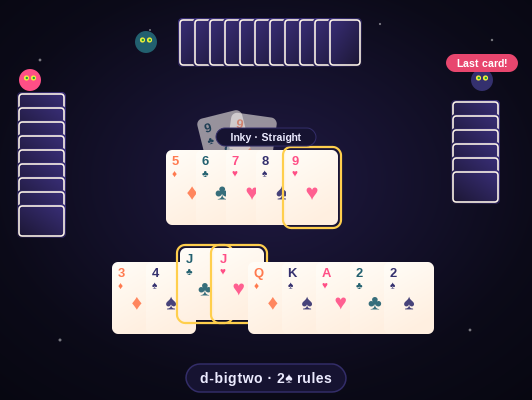
Card game · Big Two
d-bigtwoNew
Shed all 13 cards first with pairs and poker hands.
Big Two — Chor Dai Di, Cap Sa, Pusoy Dos — against three suit-critter bots. Shed your 13 cards first with singles, pairs, triples, and poker hands; legal plays light up, quick-pick chips build combos, and penalties add themselves up. Hong Kong, Taiwan, and Pusoy Dos rules.
Quick start
- Goal: be first to empty your hand of 13 cards. Cards left over are penalty points; lowest total when someone reaches 50 wins.
- Ranks run 3 (lowest) … K, A, 2 (highest). Equal ranks are split by suit.
- Whoever has the lowest card (3♦, or 3♣ in Taiwan and Pusoy Dos rules) opens, and the first play must include it.
- On your turn, beat the last play with the same number of cards — single, pair, triple or a five-card poker hand — or pass.
- When the other three all pass, the table clears and the last player to play leads anything.
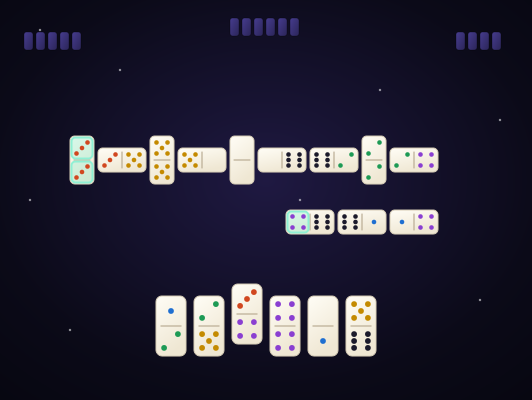
Dominoes · Gaple
d-gapleNew
Indonesia’s block dominoes — match the two open ends.
Gaple — Indonesia's block dominoes — against three suit-critter bots. Match tiles to the two open ends of a single line; go out first, or hold the fewest pips when the board locks. Pass or dead-tile rules, solo or 2 v 2, and a tile counter that teaches you to count.
Quick start
- Goal: play out all your tiles first — or, if the board locks, hold the fewest pips. Lowest total when someone reaches 100 wins.
- 28 double-six dominoes, 7 each, nothing to draw. [0-0] opens the first hand; every later hand opens with a double.
- On your turn, add a tile to either open end of the single line so the numbers touch. The two ends are highlighted.
- No match? You pass (with the Dead tile rule, lay one face-down — its pips still count), and everyone learns what you lack.
- Each number is on just 7 tiles. The counter shows how many are out, so you can tell when an end has gone dead.
Flower cards · Koi-Koi
d-koikoiNew
Match flower cards by month, then dare to call Koi-Koi.
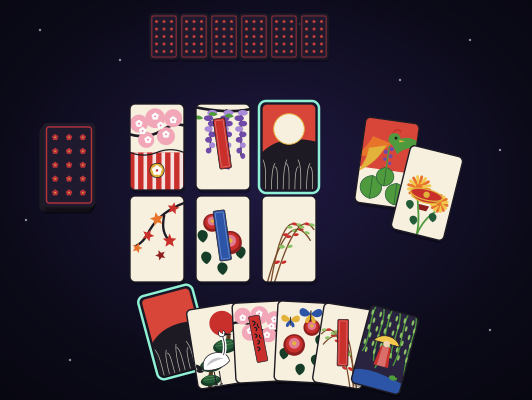
Hanafuda Koi-Koi against Inky. Match the 48 flower cards by month, build yaku, then stop and bank your points — or call Koi-Koi and push your luck. Month badges, matches that light up, and a live yaku tracker make it playable from the first hand. 3-, 6- or 12-month matches.
Quick start
- Goal: outscore Inky over a match of 3, 6 or 12 months — each month is one round.
- Cards match by month: 12 flowers, 4 cards each. Month badges show the number in each card's corner.
- Your turn: play a card to take a table card of the same month, then turn over the pile's top card and match it the same way.
- Points come only from yaku — sets like three brights, Boar-Deer-Butterflies, 5 ribbons or 10 chaff. The tracker shows what's close.
- Made a yaku? Stop to bank it, or call Koi-Koi to play on — but if Inky scores first, Inky's points double and you get none.
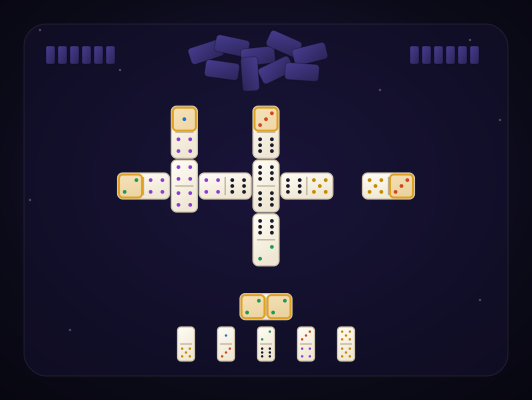
Dominoes · Telephone
Domino TelephoneNew
Old Russian scoring dominoes — every double is a four-way hub.
Domino Telephone — the old Russian scoring dominoes — against suit-critter bots. Every double is a telephone hub that branches four ways; score whenever the open ends add up to a multiple of 5, and race to 125. 2–4 players, one or two sets, and slot hints that show what each play is worth.
Quick start
- Goal: reach 125. You score whenever the open ends add up to a multiple of 5; once a round ends with someone on 125+, the highest score wins.
- 7 tiles each, the rest face-down to draw from. Whoever holds the biggest double opens, with any of their doubles.
- Play a tile that matches any open end. Every double is a telephone: once the line runs straight past it, it branches out to its sides too.
- A double that ends a line counts both halves — [5-5] is 10. Once a second tile joins it, it counts nothing.
- Stuck? Draw one tile. If it fits, play it; if not, you lose the move.
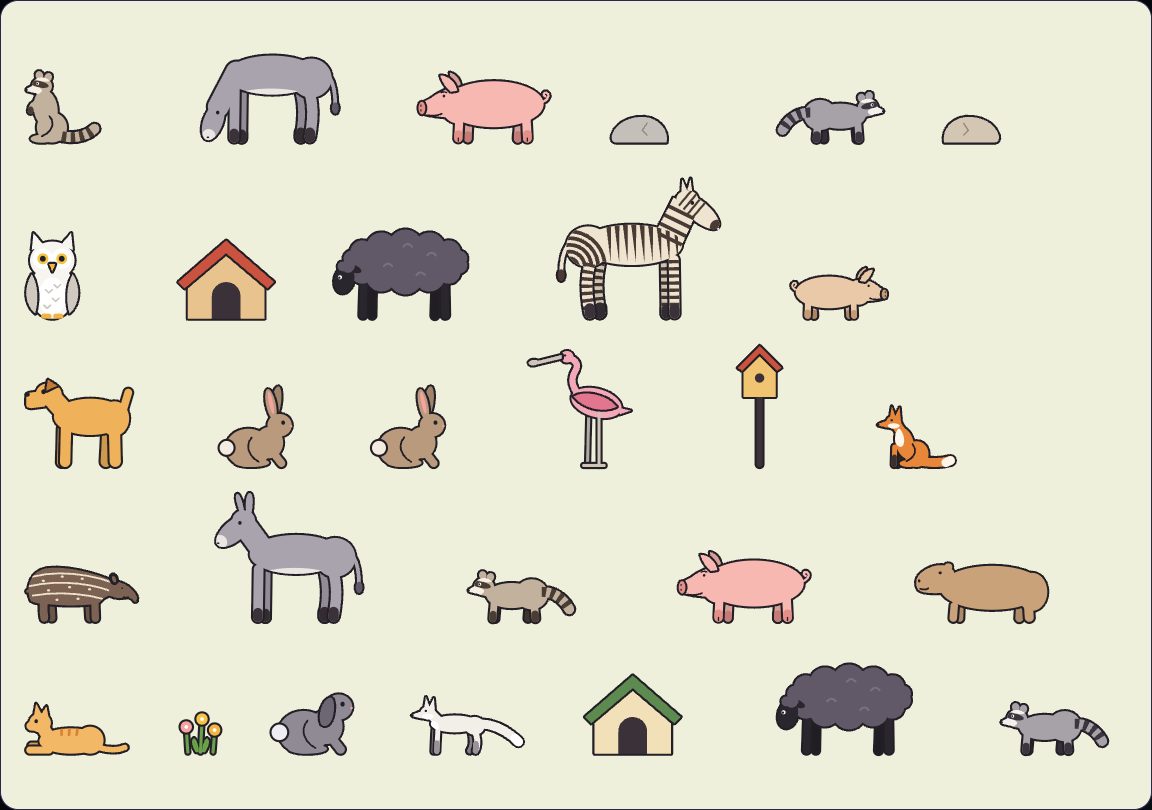
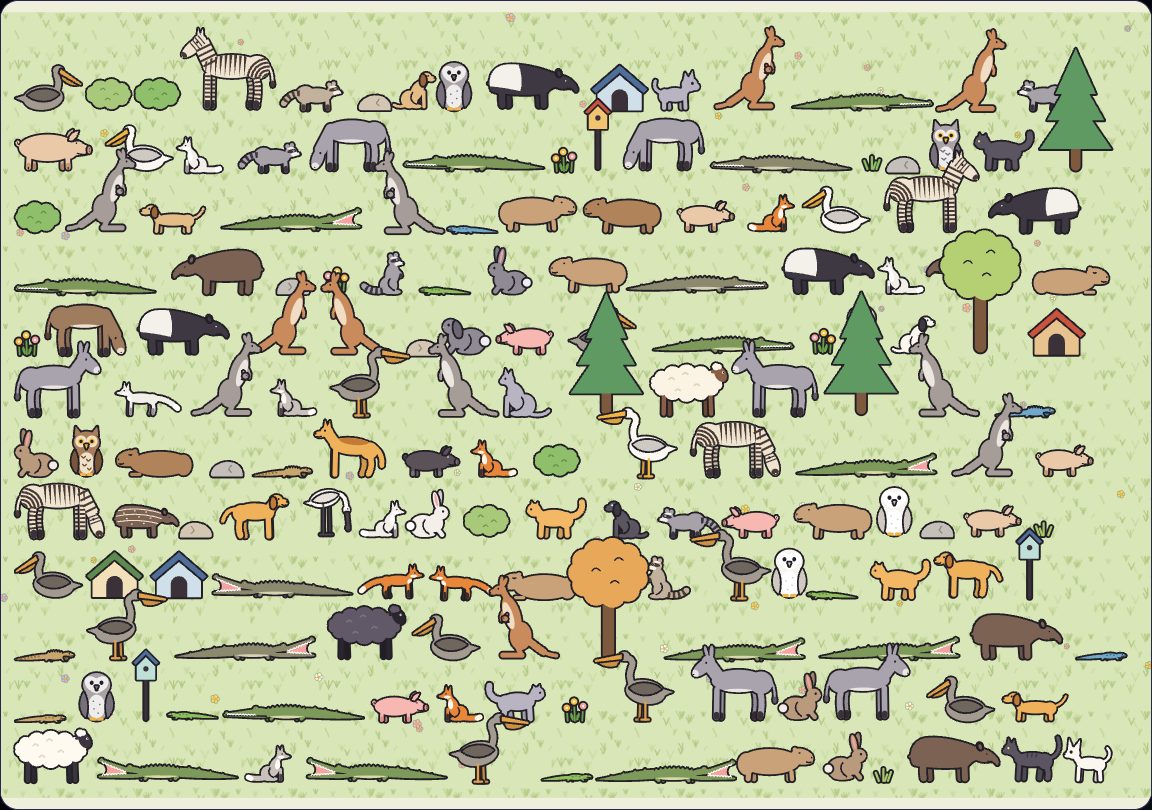
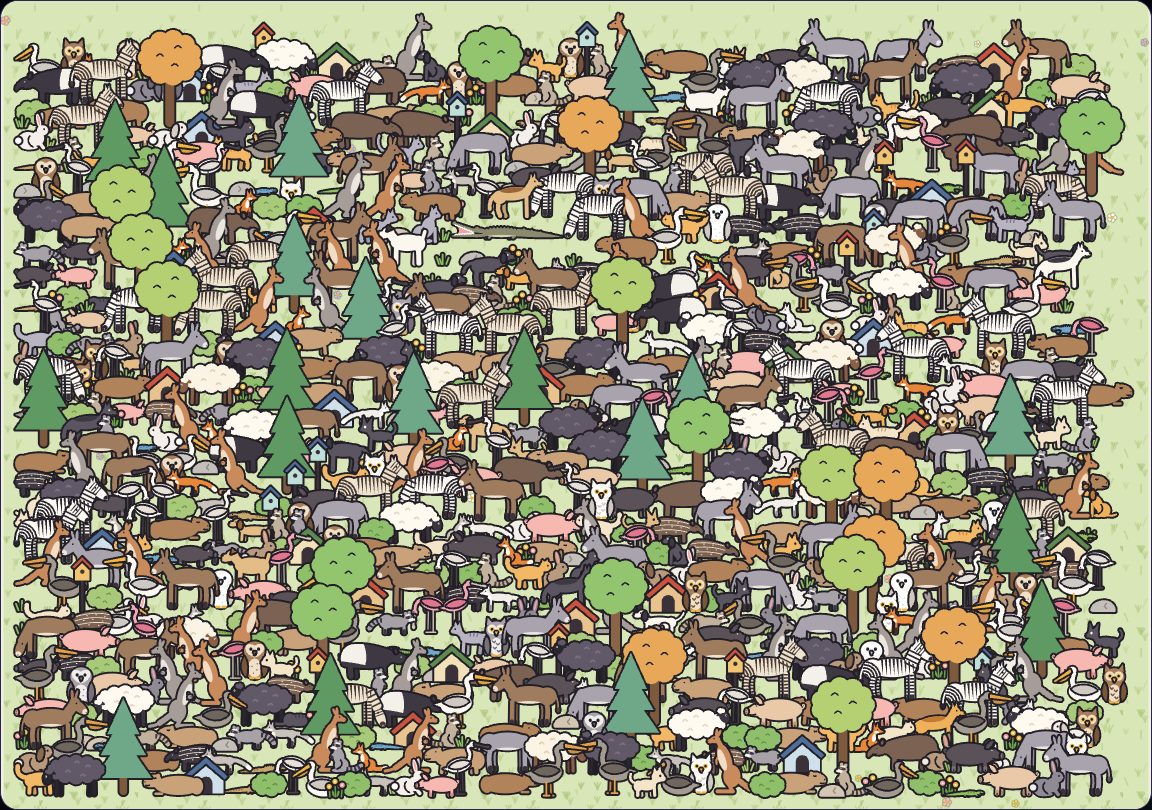
Hidden-object game · 17 animals, 3 levels
Find the AnimalNew
Spot the one animal you picked in a crowd of hundreds.
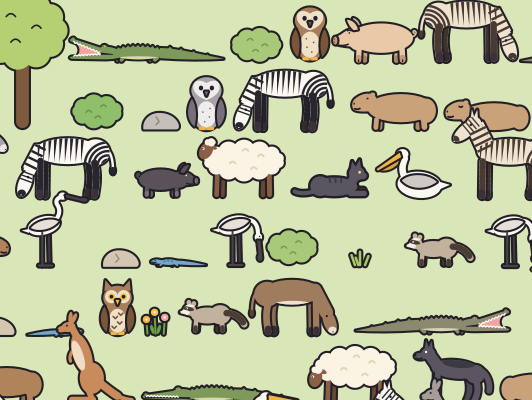
Pick an animal — cat, dog, zebra, tapir, owl, crocodile and eleven more — then find the only one of it in a crowded picture. Pan and zoom, tap the one you think it is and press “That's the one!”. Easy has a couple dozen big animals; Hard packs hundreds shoulder to shoulder on a grass field. The faster you find it, the higher the score.
Quick start
- Pick the animal you want to look for, and a level.
- The picture hides exactly one of that animal, in any colour or pose. Every other animal is a different kind.
- Drag to look around; pinch, scroll or use the + and − buttons to zoom.
- Tap the animal you think it is, then press “That's the one!”.
- The faster you find it, the more points. A wrong guess costs 5 seconds.
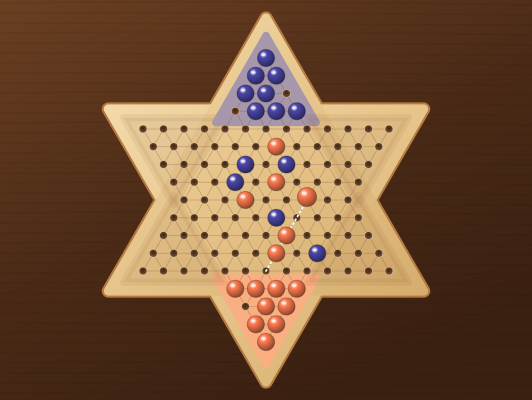
Board game · Chinese checkers & Halma
UgolkiNew
Chain-jump your whole army into the opposite corner.
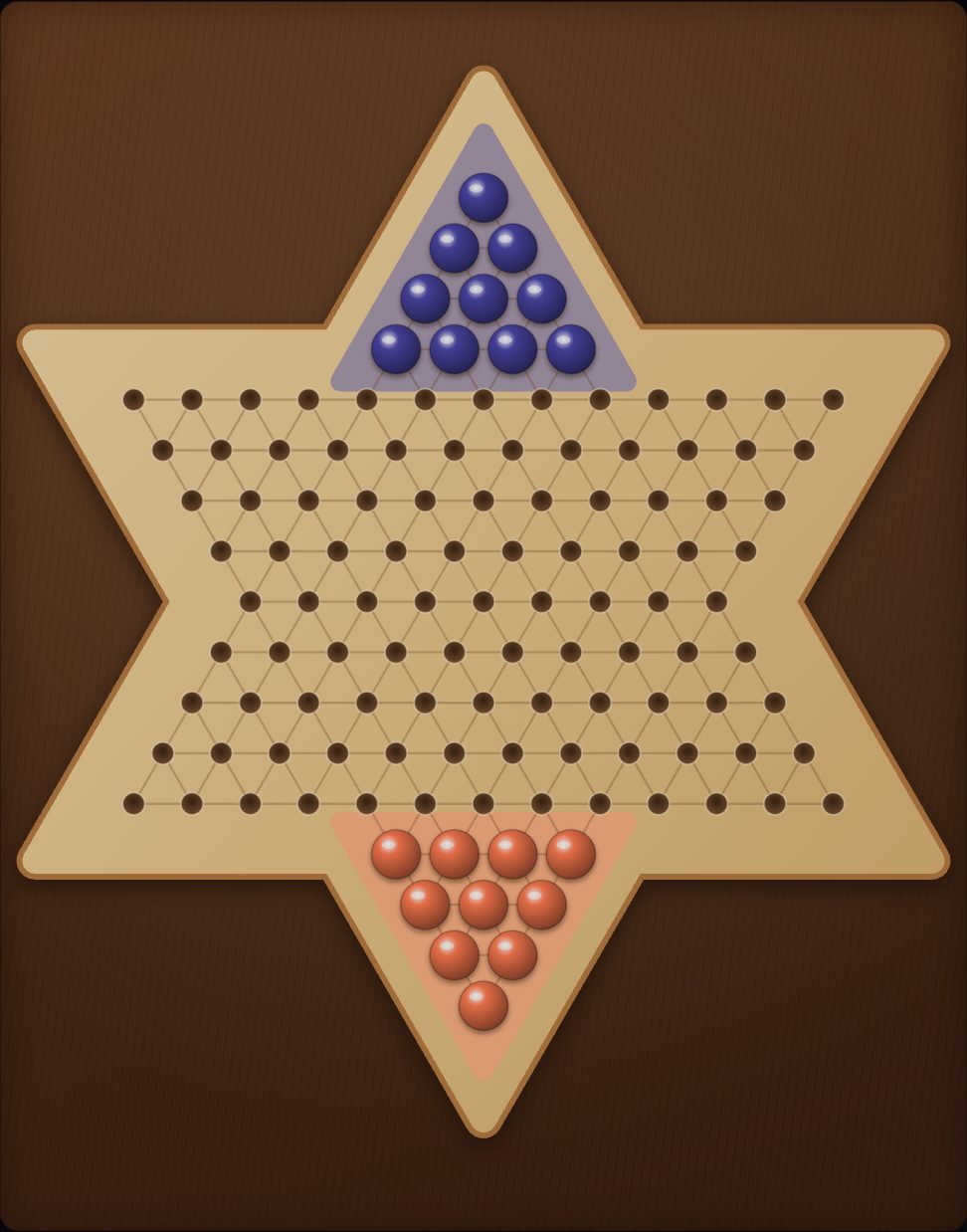
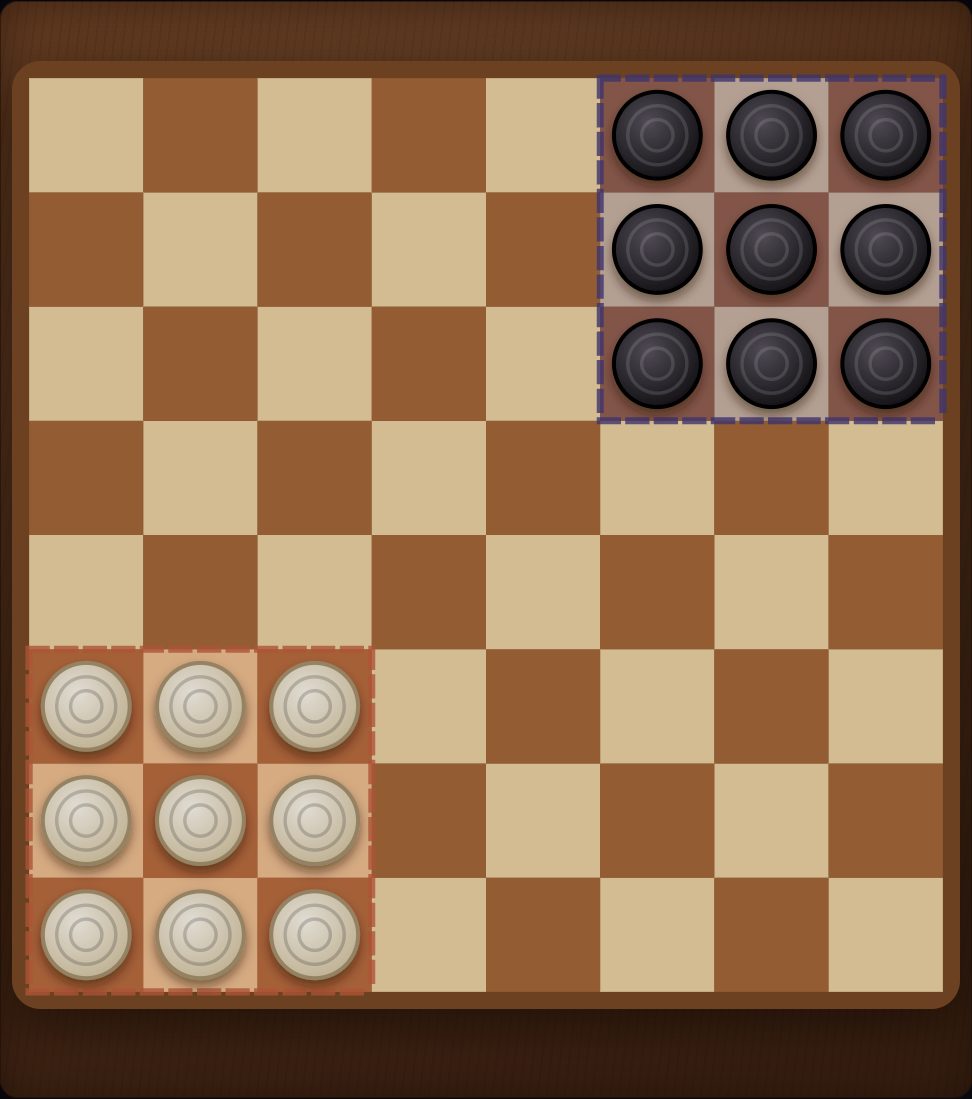
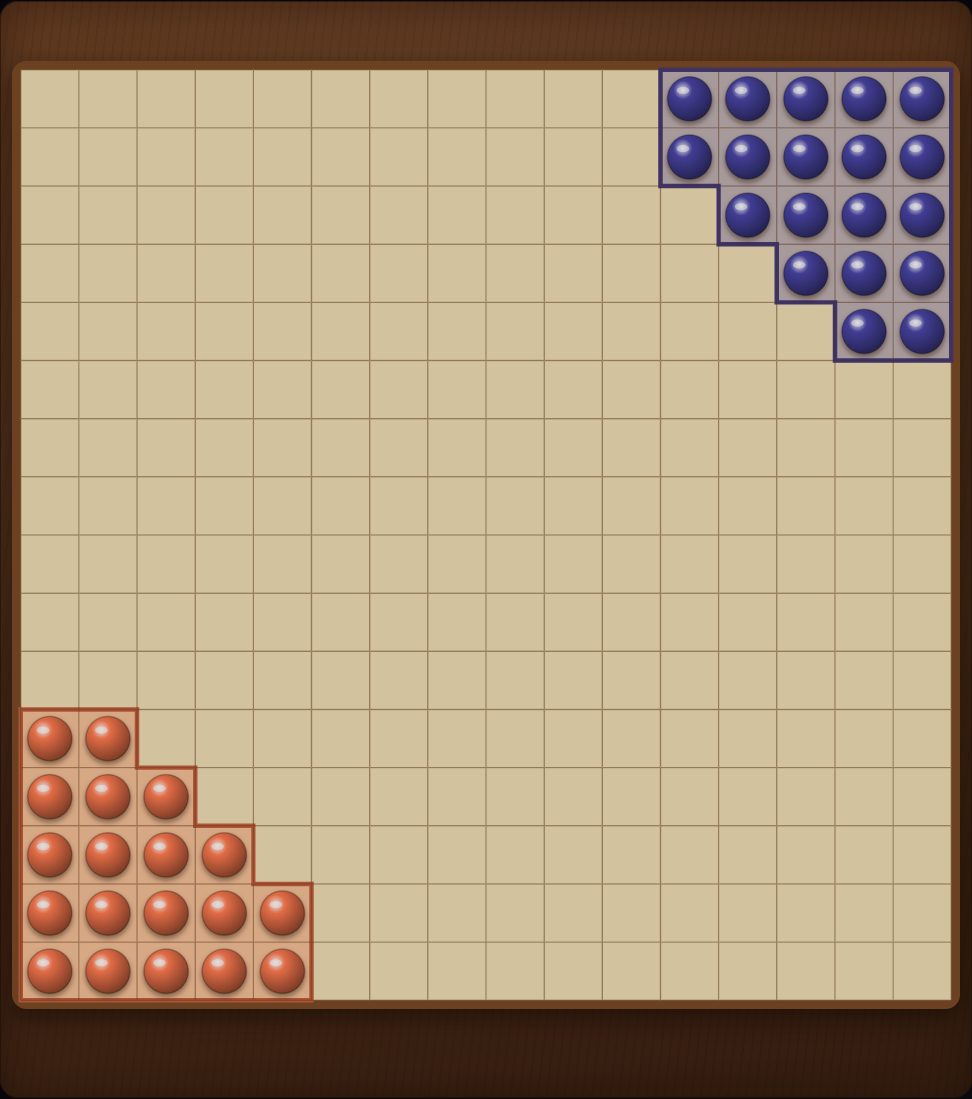
Ugolki — the corners race — against suit-critter bots. Step or chain jumps over any piece to move your whole army into the opposite corner first. The six-pointed star (Chinese checkers) for 2, 3, 4 or 6, the classic 8×8 board with 9, 12 or 16 pieces, or Halma; long jumps, diagonals and the leave-home rule as options.
Quick start
- Move every piece from your corner into the opposite one — first there wins.
- A move is one step into an empty neighbouring hole, or a jump over one piece (anyone's) into the empty hole just behind it.
- Jumps chain: keep hopping as long as you can, all in one move. Nothing is captured.
- Get every piece out of home by the deadline, or you lose — no blocking the corner.
Dice · Yatzy family
Kosti DiceNew
Six dice, twelve sets, and every unused roll saved for later.
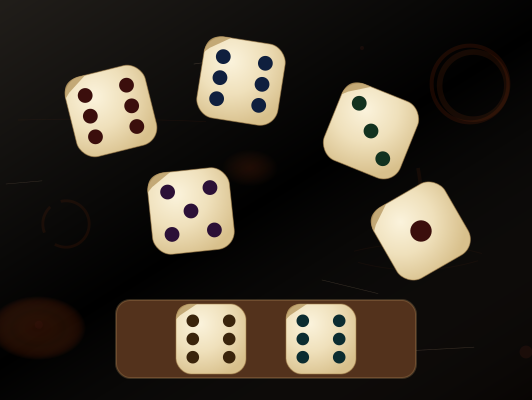
Kosti Dice — 6 dice, 12 boxes and saved rolls — against suit-critter bots on an old wood table. Every roll you don't use is banked for later. Or switch to Maxi Yatzy, Scandinavian Yatzy, American Yahtzee, Forced, Generala, Kniffel or Balut. 2–6 players.
Quick start
- Goal: build all 12 sets. When someone does, everyone else gets one last go with their rolls, and the best score wins.
- Roll up to 3 times a turn; tap dice to keep them between rolls.
- Write a set down by tapping its number. Nothing to write after your last roll? The turn just passes.
- After your first roll you may save the rest and pass — saved rolls add to later turns.
- Numbers need at least three alike. Then Street, Small and Big House, Care, Poker and General — all six alike.
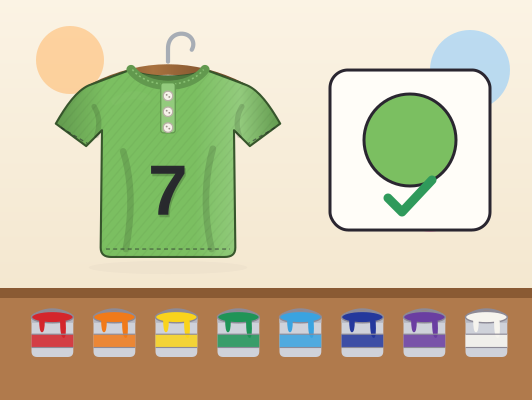
Puzzle · Color mixing
Mix the ColorNew
Mix any color from paint buckets or colored light.
Customers bring a t-shirt, a cap, a bike or a picture and ask for its color. Mix it from 12 paint buckets — yellow and blue make green — or from 12 colored projectors, where red and green light make yellow. Easy, Medium and Hard, with a leaderboard.
Quick start
- A customer shows you an object or a picture: mix its main color.
- Tap buckets (or projectors) to pick them, then press Mix & check.
- Easy: exactly 3 colors. Medium: 2 to 5. Hard: 1 to 5, and you set how much of each.
- 3 tries per customer; after a miss you get a hint like “lighter, more yellow”.
- Paint mixes like paint (yellow + blue = green); light adds up (red + green = yellow).
Card game · Clock solitaire
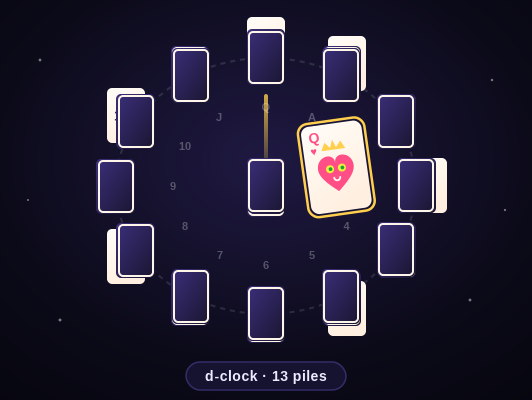
d-clockNew
Send every card to its hour before the fourth King shows up.
Clock solitaire with the d-solit suit critters — thirteen piles on a clock face, send each card to its hour, and turn the whole deck before the fourth King shows up. Shareable numbered deals, autoplay, and win stats.
Quick start
- Goal: turn all 52 cards face up. It's pure luck — there are no choices, every card has exactly one place to go.
- 13 face-down piles of four: 12 on a clock face (Ace at 1 o'clock … Queen at 12) and one in the middle for the Kings.
- The top card of the middle pile is turned for you. Tap the glowing card (or drag it, or press Space) to tuck it under its hour.
- Then that pile's top face-down card turns up — send it to its own hour, and so on. Kings go to the middle.
- The game ends when the fourth King reaches the middle: you win only if it was the very last face-down card.
Card game · Clover (Клевер)
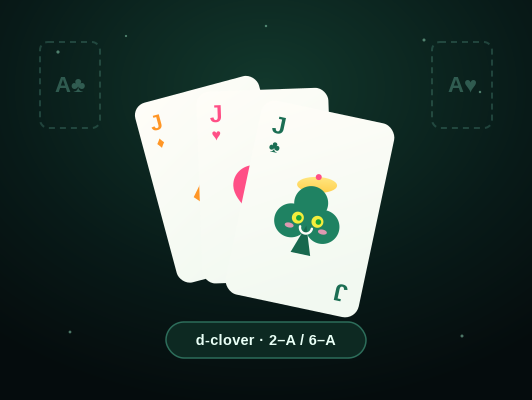
d-clover
Open-fan Clover solitaire in three rule variants.
Open-fan Clover solitaire («Клевер») with 52-card (from 2) or 36-card (from 6) decks, three rule variants (Clover, Trefoil, Shamrocks), winnable spreads, game numbers, and a leaderboard.
Quick start
- Goal: move every card to the four Foundations, one per suit, from A up to K (A, 6 … K with the 36-card deck).
- Only the top card of each fan can move — tap it or drag it to a Foundation or onto another fan.
- Clover rules: a card goes only onto a top card of the same rank (J onto J), and a fan holds at most 3 cards.
- Empty fans stay empty. Stuck? Redeal shuffles the cards left on the fans — you get 2 per game.
- Trefoil builds down in suit (9♠ onto 10♠); Shamrocks builds one rank up or down in any suit, with no redeals.
Tile puzzle · Color & Pattern
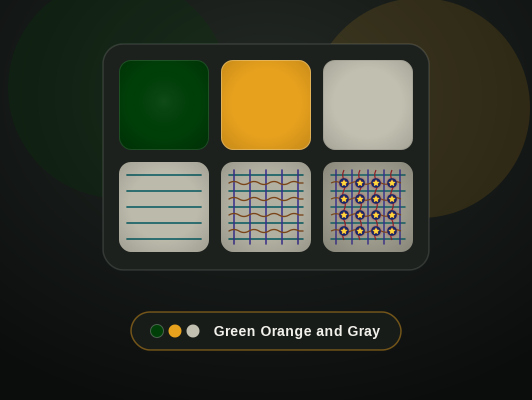
Green Orange and Gray
Fuse green and orange into gray, then pair the patterns.
Numberless sliding puzzle — fuse green and orange tiles into soft gray, then pair matching patterns into stripes, grids, waves, and glowing stars.
Quick start
- Swipe, scroll with two fingers or press the arrows / WASD: every tile slides just one square.
- Green and Orange never merge with their own color — push one into the other to make Gray.
- Two identical gray patterns merge into the next pattern; each step is worth 3× the one before.
- After every move, the tile shown in Next enters from the opposite edge.
- The game ends when no move is left — keep big patterns together and the board open.
Arcade · Harbor traffic puzzle
Ship DispatcherNew
Draw routes and berth every ship without a single collision.
Draw routes for skiffs, tugs, and freighters, berth each one at a dock of its cargo color, and steer the empty hulls back out to sea. One touch between two ships ends the shift — and the traffic keeps getting faster.
Quick start
- Goal: unload as much cargo as you can — every crate unloaded at a berth of its color scores a point.
- Press a ship and drag to draw its course; end the line in a berth of the cargo's color and it locks on, so the ship docks by itself.
- One mistake ends the shift: two hulls touching, or a ship running into land, a pier, an island or a rock. A red ring means too close.
- Only one ship fits in a berth — keep the others circling in wide loops until it frees up.
- Empty ships turn grey: draw them a way off any edge of the map. Mixed-cargo ships need a second berth for their other color.
Arcade · Space Brick Breaker
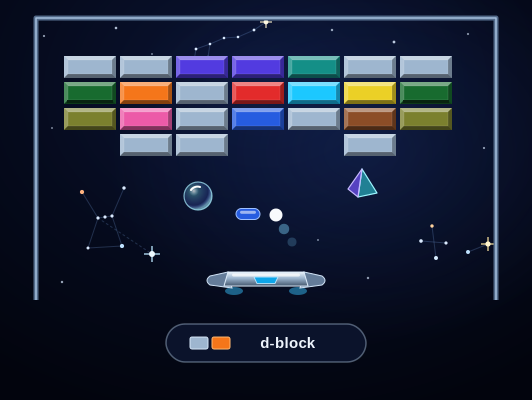
d-block
Space brick breaker with chain explosions and twin blasters.
Bounce energy balls off a spaceship paddle to shatter 12 types of 3D space bricks, trigger chain explosions, fire twin blasters, and clear sci-fi formations beneath real constellations.
Quick start
- Goal: bounce the energy ball off your ship to smash the bricks and clear all 10 levels — you start with 3 lives.
- Move with the mouse, touch, or ← → / A D; Space or a click launches the ball.
- Where the ball hits the ship sets its angle — the centre sends it straight up, the edges send it off sharply to the side.
- Let every ball fall past the ship and you lose a life. Olive bricks can’t be broken and aren’t needed to clear a level.
- Coloured bricks do tricks — red arms blasters (Space fires), two indigo in a row give a life; see the brick guide below.
Arcade puzzle · Falling Blocks
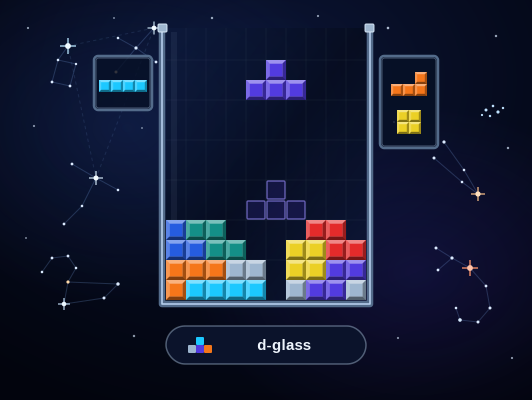
d-glass
Falling 3D blocks in a glass well under the stars.
Stack and clear falling 3D block shapes inside a translucent cosmic glass well beneath bright night-sky stars, with piece hold, landing shadow, shareable game numbers, and a leaderboard.
Quick start
- Goal: fit the falling pieces together to fill whole rows of the 10-wide glass — full rows vanish and score.
- ← → move, ↑ or X rotate, ↓ soft drop, Space hard drop, C or Shift holds a piece for later.
- On touch: drag to move, tap to rotate, flick down to drop.
- Clearing 1, 2, 3 or 4 rows at once scores 100 / 300 / 500 / 800 × level — only the long I bar can clear four.
- Every 10 lines the level goes up and pieces fall faster; the game ends when the stack reaches the top.
Strategy · Space Lane RTS
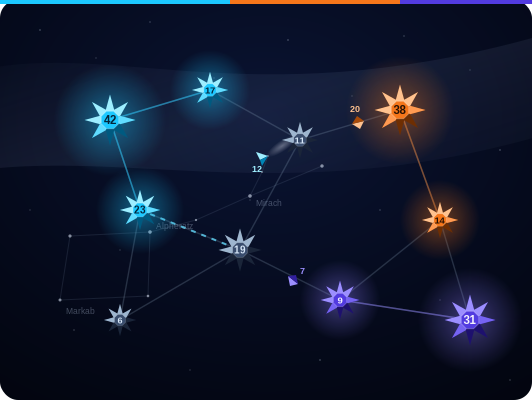
Dpax Galactic
Send fleets along hyperlanes and take the galaxy.
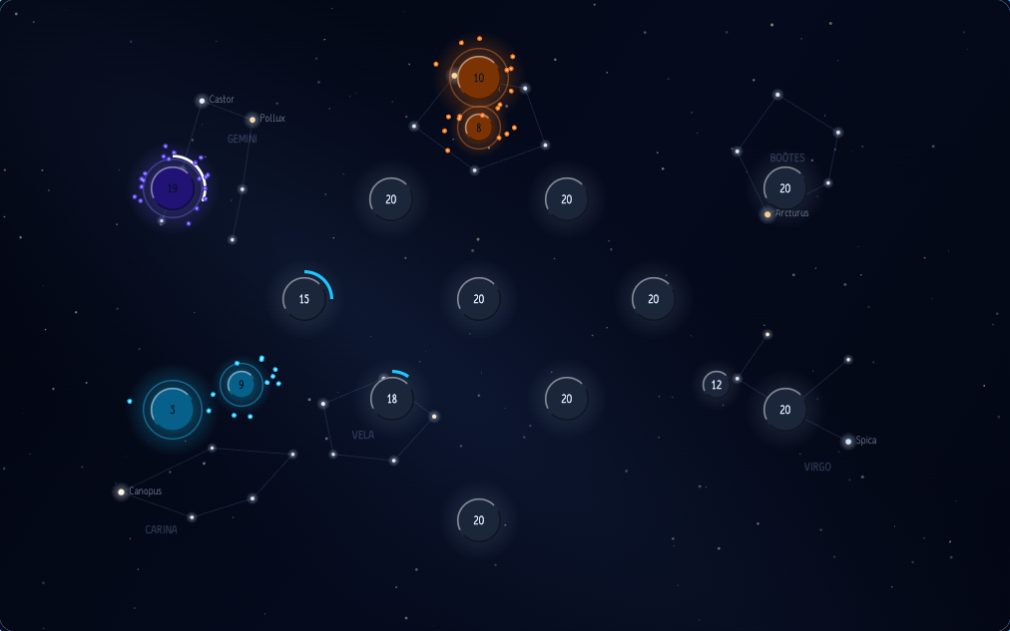
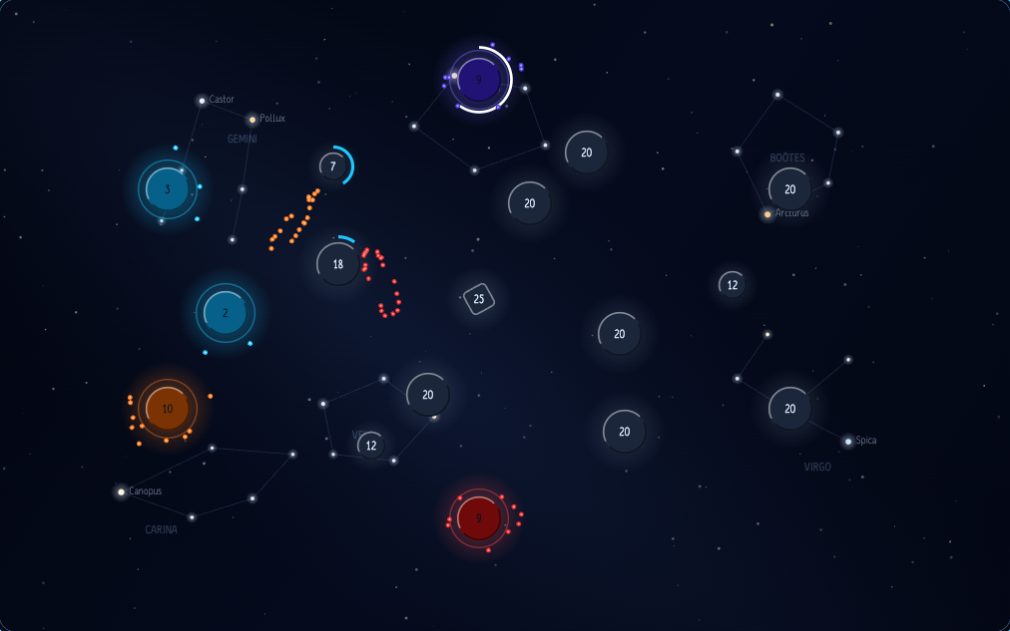
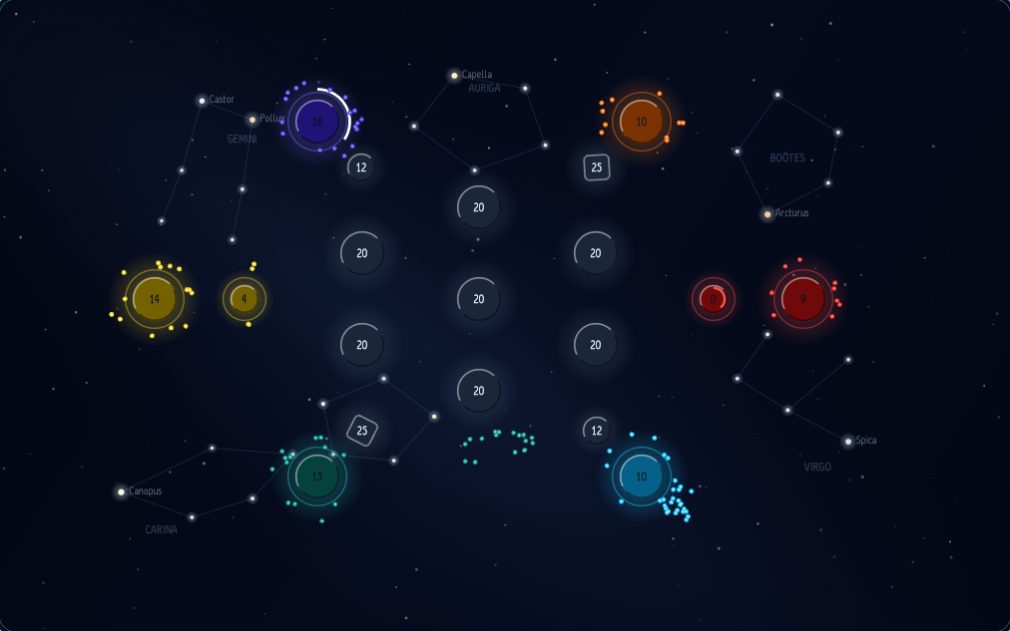
Capture star systems, build ship garrisons, and send fleets along hyperlanes to outmaneuver rival empires across generated or hand-crafted galaxies, with shareable game numbers and a leaderboard.
Quick start
- Goal: take over the galaxy — capture star systems and wipe out every rival empire that isn't your friend.
- Tap one of your cyan systems, then a target: a share of its ships flies there along the hyperlanes (1–4 sets 25–100%).
- To take a system, send more ships than the number on it; the surplus becomes its new garrison.
- Every system you hold builds ships — more pips, faster. Grey neutral systems never grow, so grab them early.
- Long-press or right-click a target for a standing supply route. Attack a neutral or friendly empire and it's your enemy for good.

Strategy · Cosmic Swarm RTS
Star Flow
Command glowing swarms that flow between suns.
Command glowing energy swarms that orbit suns, stream freely across open space, upgrade stars through three tiers, and clash with up to five distinct space races across three map packs.
Quick start
- Goal: own the sector — the rival races must lose every sun and every last energy mote.
- Drag a lasso over your cyan motes (or tap your sun), then tap a target sun to stream them there; Send % sets how many go.
- A grey neutral sun ignites after 20 of your motes (moon 12, pulsar 25); rival motes arriving there undo your progress.
- To take a rival sun, first wipe out its orbiting motes 1-for-1, then break its core — it turns neutral and you still have to ignite it.
- Double-tap your sun (or press U) to upgrade: it stops spawning and spends its motes until it levels up, then produces nearly 3× faster.
Strategy · Maze-Building Tower Defense
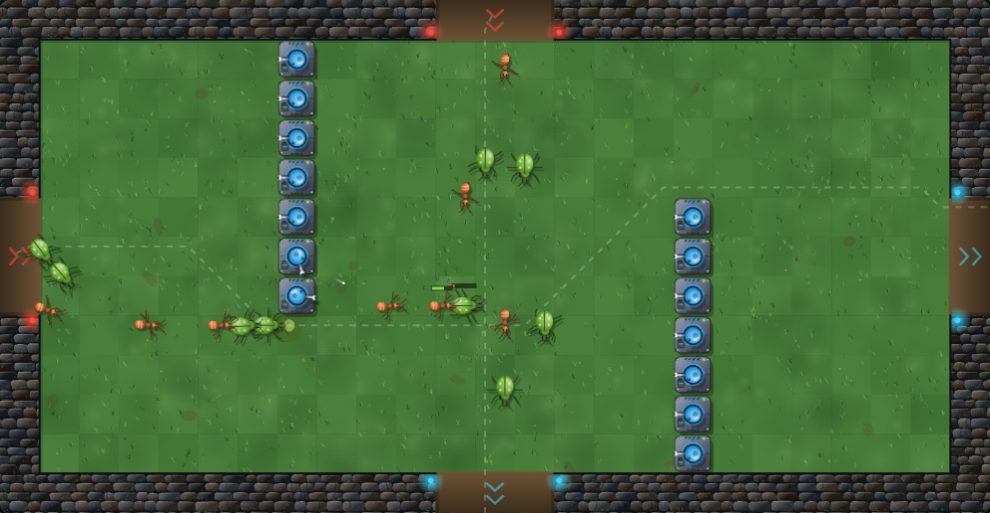
Tetato Tower Defense
Build a tower maze and stop ten waves of giant bugs.
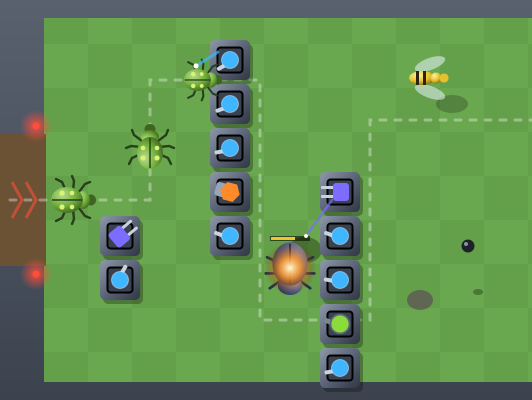
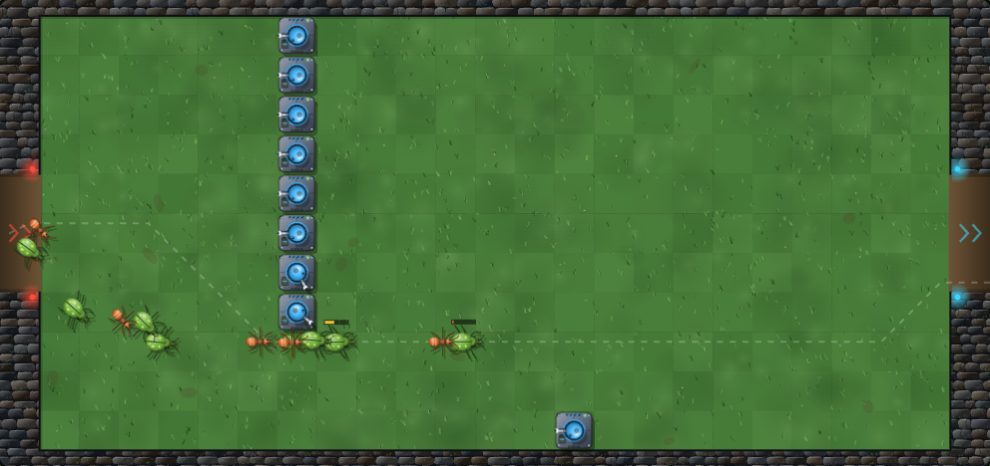
Turn an empty field into a maze of seven high-tech blast towers and stop ten waves of giant insect zwerks — runners, armored beetles, swarms, splitters and flyers — before they reach the exit gate. Works offline once loaded.
Quick start
- Goal: stop the zwerks — each one that reaches the exit gate costs lives; survive every wave to win.
- Pick a tower (1–8) and click the field to build; on touch, tap to preview, then tap the preview to build.
- Zwerks always take the shortest open path, so wall them in with cheap Pulse towers to make it long — you just can't seal it.
- Flyers ignore the maze and fly straight across, so keep towers that hit air along their line.
- Kills pay credits. Press S to send the next wave early for a bonus; tap a tower to upgrade (U) or sell (D) it.
Logic puzzle · Seven levels
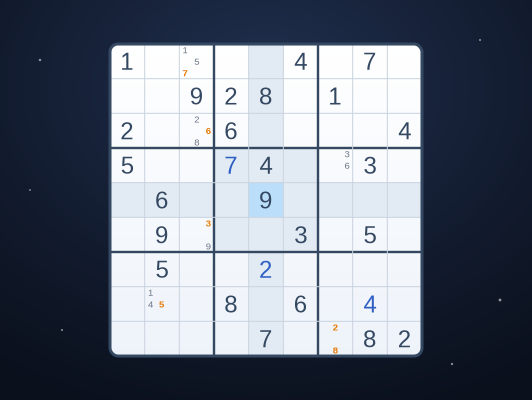
Sudoku
Classic 9×9 Sudoku, from Easy all the way to Nightmare.
Classic 9×9 Sudoku in seven levels, from Easy to a Nightmare that needs forcing chains — with gray and orange notes, a mistake check you can switch off to play blind, auto-finish, shareable game numbers and a leaderboard.
Quick start
- Fill the grid so every row, column and 3×3 box holds 1 to 9 exactly once.
- Tap a square, then a number on the pad — or move with the arrow keys and type the digit.
- Pencil in candidates with Notes (gray) or Notes 2 (orange), or with Shift/Alt+digit.
- With Mistake check on, a wrong digit turns red; the third mistake ends the game.
- The clock runs until you solve it — the fastest times top the leaderboard.
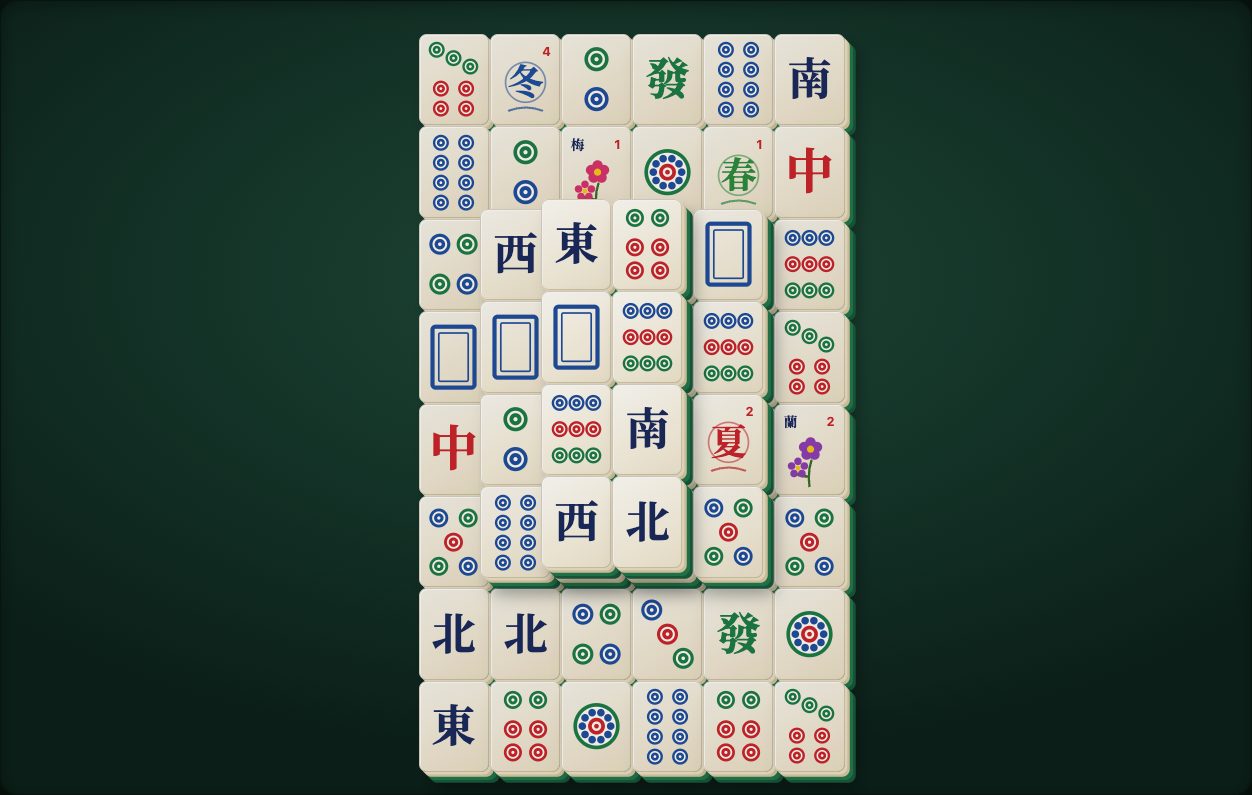
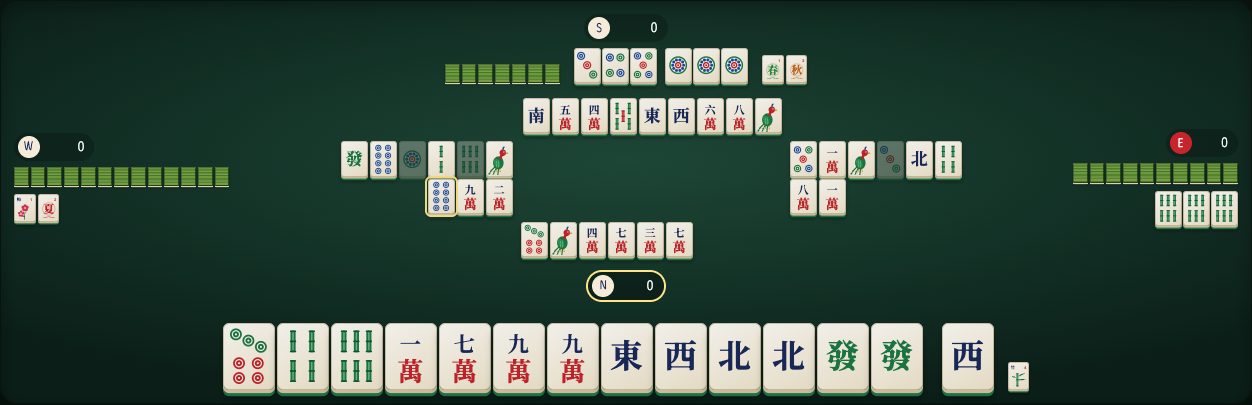
Tile game · Solitaire and four-player mahjong
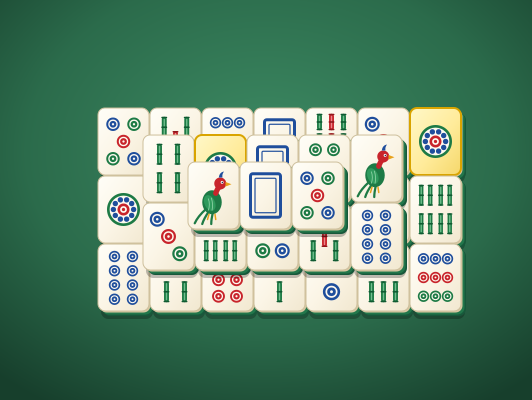
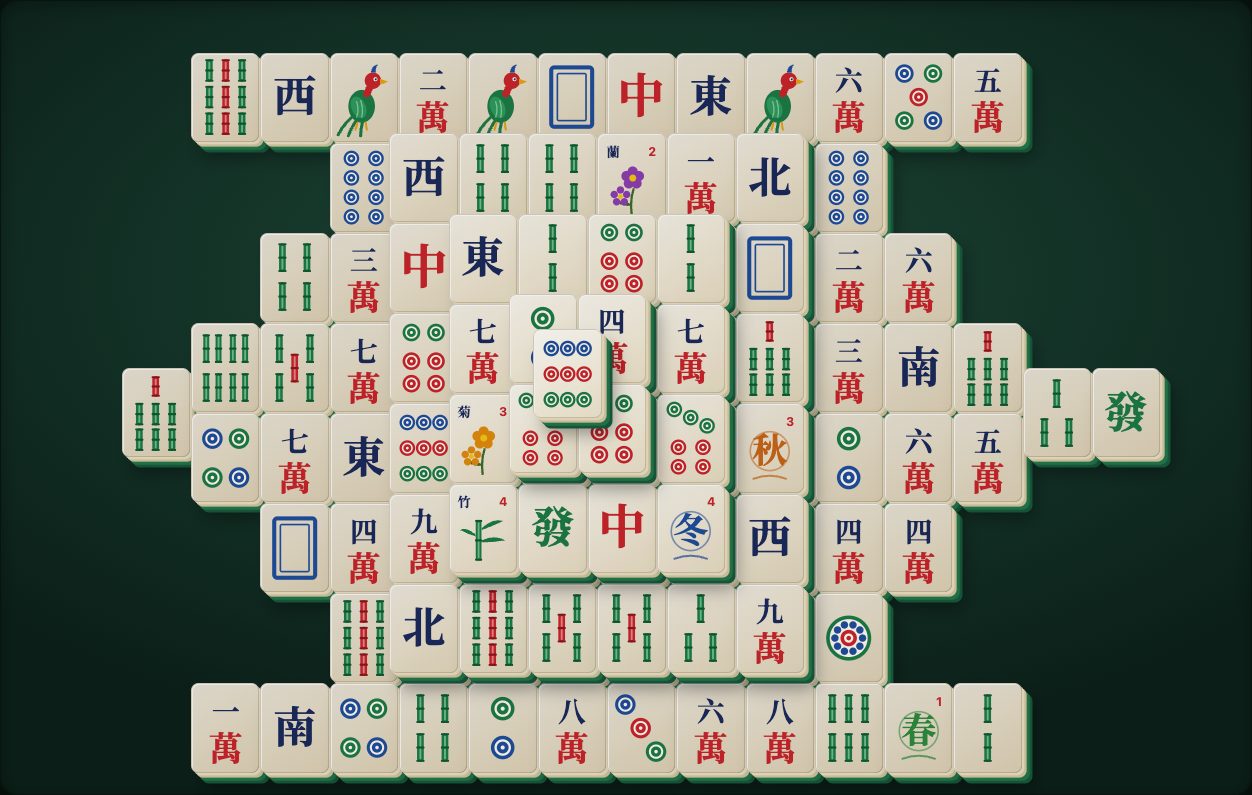
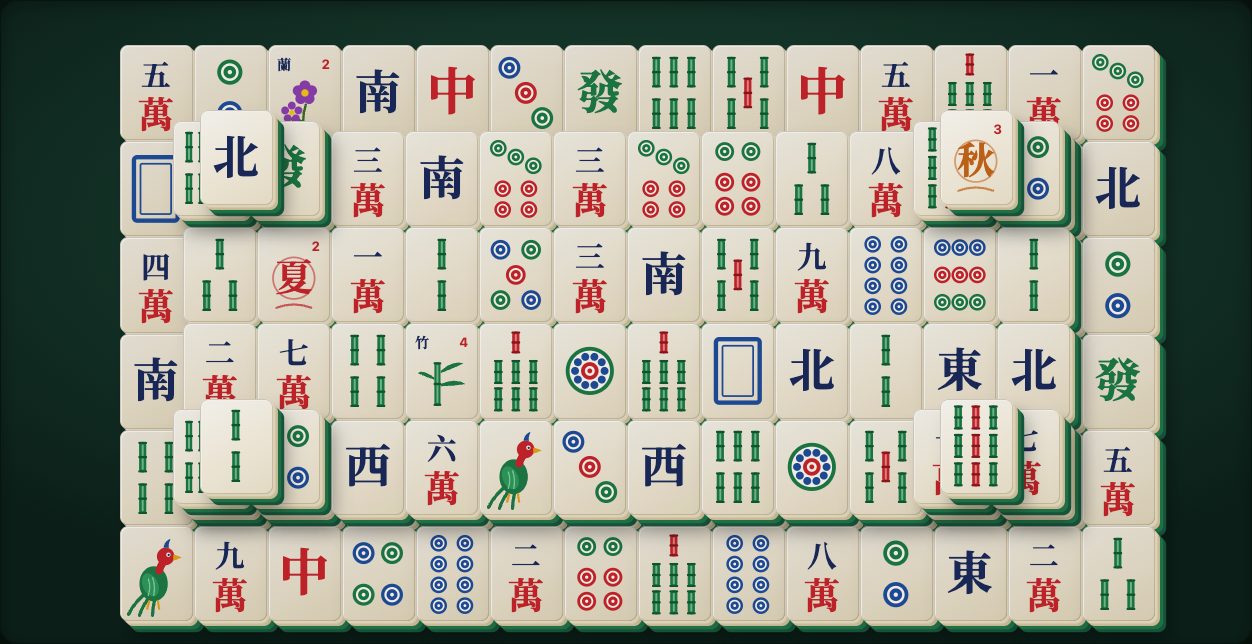
d-mahjong
Clear 144 hand-drawn tiles, or sit down at the table with three bots.
Classic mahjong solitaire with 144 hand-drawn tiles — clear the Turtle, the Fortress or a quick Small layout by matching free pairs. Every deal can be cleared; with hints, shuffles, undo, simple faces for small screens, shareable game numbers and a leaderboard. Or switch to Table and play four-player mahjong against three bots under Hong Kong, Riichi, Chinese Official or Simplified rules.
Quick start
- Goal: clear the whole board by removing tiles in matching pairs.
- Click or tap two identical free tiles and both disappear.
- A tile is free only when nothing lies on it and its left or right side is open — middle tiles must wait.
- Any flower matches any flower and any season any season; every other tile needs its exact twin.
- Stuck? Hint (H) shows a safe pair, Shuffle (S) remixes the tiles, Undo (Z) takes moves back — hints and shuffles count on the leaderboard.
Molecular biology · Gene to protein
Helix
Follow a real gene from DNA to a folded protein.
Follow a real human hormone gene from DNA to a folded protein — replicate, transcribe, splice, translate and fold in five quick chapters, with a codon wheel, real biology facts and a leaderboard.
Quick start
- Take a real human gene from DNA to a working protein in five short chapters.
- Pair the bases: A with T, G with C — and in RNA, A with U. Tap a base or type A T G C U.
- When asked, tap the spot in the sequence: the TATA box, the intron's GU and AG ends, the first AUG.
- Translate: pick the tRNA (or press 1–4) whose anticodon pairs with the codon; the codon wheel shows its amino acid.
- Fold: place each residue next to the last (tap or arrows) so gold ones touch. Accuracy scores most, speed adds a bonus.
Arcade puzzle · Protein printer
ProteinterBeta
Fish molecule pieces out of the soup to print a protein.
Fish molecule pieces out of the drifting cytoplasm, flip them and drop them onto the chain — receptors face to face — to print an endless protein. Spell a known protein and it coils up and swims away for a big bonus; eject the toxic bits before the soup overflows.
Quick start
- Pick molecule pieces out of the drifting soup and print one long protein along the cell floor.
- Drop a piece receptors-up on the floor, then a partner of the same length receptors-down right on top.
- Every receptor must lock — peg into cup, knob into socket. ↑ flips a piece end to end, F turns it upside down.
- ← → move, ↓ drops, Space takes the next piece; on a touch screen, tap a piece and use the buttons.
- Spell a known protein for a big bonus; eject toxic pieces (E) — if the soup overflows, the game is over.